





1️⃣ Match Context
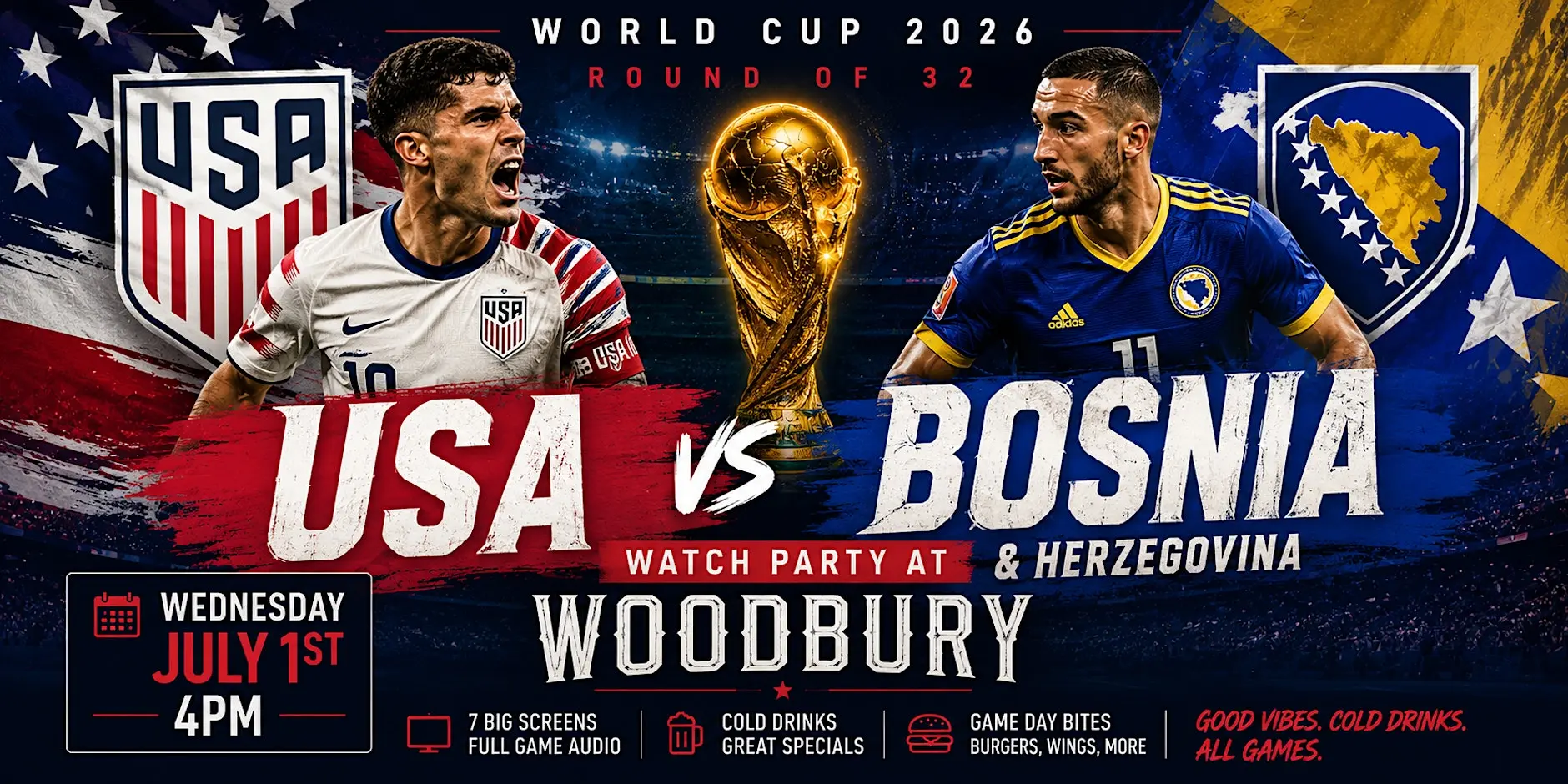
This is the kind of World Cup fixture that looks comfortable on paper and still carries real risk in practice. The USA enter with the expectation burden: anything short of three points feels like a setback in a tournament group where margin can decide qualification and seeding. Bosnia and Herzegovina arrive as the classic pressure-free disruptor — a side that can play within itself, accept long spells without the ball, and hunt moments.
Psychology matters here. The USA will likely control territory and tempo, which means they also inherit the game-state stress: the longer it stays level, the more the crowd (and the players) start forcing actions — early shots, risky passes into traffic, aggressive counter-pressing that can open transition lanes. Bosnia’s incentive is simple: stay connected, drag the match into the second half, and turn every set piece and counter into an event.
Schedule-wise, tournament football compresses recovery windows. That tends to reward teams with clean automatisms — stable spacing in build-up, repeatable pressing triggers — and punish those who rely on emotional surges. The USA’s athletic edge is real, but athleticism can become wasteful if the structure loosens.
2️⃣ Form & Advanced Metrics
The USA’s recent performance profile is built on proactive football: higher possession share, meaningful field tilt, and a willingness to win the ball back quickly. The numbers indicate they typically create more than they concede, but the more important detail is how those chances arrive. Their shot volume is usually healthy, yet the best versions of this team come when chance quality rises — cutbacks, central arrivals, second-phase shots after sustained pressure — rather than low-probability attempts from distance.
Defensively, the USA’s underlying strengths tend to show up in pressing and territory control. A lower PPDA (fewer opponent passes allowed before a defensive action) usually reflects a more aggressive press; when the USA are sharp, they force opponents into rushed clearances and low-quality long shots. The vulnerability is structural: if the press is bypassed, the space behind the fullbacks and the gaps either side of the No.6 can become transition highways. Against an opponent happy to play direct, that’s not theoretical.
Bosnia’s form and metrics historically skew in the opposite direction. Their chance creation often relies less on sustained possession and more on moment conversion: set pieces, early crosses, and counter attacks where a single line-breaking pass creates a shot. That style can look quiet for long stretches and still generate high-leverage moments. Their xG patterns are typically more volatile — fewer shots, but a higher share coming from the box when counters land cleanly.
One split to respect: in neutral/away-style environments, underdogs who defend deep often allow plenty of shots but not always high-value ones. That’s why raw shot counts can mislead. The key is whether Bosnia can keep the USA out of the central lane and force them into wide, low-angle shooting. If they can, the USA’s xG can stay respectable but not decisive — the exact scenario that keeps draws alive deep into the game.
3️⃣ League Table Snapshot
| Team | Group Position | Points | GF | GA |
|---|---|---|---|---|
| USA | TBD | TBD | TBD | TBD |
| Bosnia and Herzegovina | TBD | TBD | TBD | TBD |
Takeaway: With group details not locked into this preview, the practical reading is about tournament incentives: the USA are priced and perceived as a “must-win” favorite, while Bosnia benefit from asymmetric pressure. In World Cups, that psychological asymmetry often shows up in pacing — favorites accelerate too early, underdogs slow the game down and grow into it.
4️⃣ Head-to-Head Analysis
Head-to-head history is rarely predictive across cycles, but tactical repetition can persist. When the USA face mid-block opponents with a strong aerial presence, the game frequently becomes a test of patience versus forcing. If the USA over-commit numbers to the first line of pressure, they can make themselves vulnerable to the exact type of direct progression Bosnia prefer: target forward receiving, runner beyond, and a quick shot or set piece.
What matters more than old scorelines is this pattern: does the favorite create high-quality chances through the middle, or do they get pushed wide into cross volume without clear targets? If the latter, Bosnia’s defensive plan becomes sustainable, and the match remains closer than the market likes to admit.
5️⃣ Tactical Breakdown (Core Section)
Who dictates tempo?
The USA should dictate territory. Expect long spells of possession and a high defensive line that pins Bosnia in. The tempo question is whether that possession is vertical and threatening or horizontal and sterile. Bosnia will aim to reduce tempo by lowering the block, slowing restarts, and turning the match into a sequence of isolated duels.
Where is the overload zone?
The USA’s most reliable route is creating overloads in the half-spaces — pulling a Bosnia midfielder out, then playing into the channel between fullback and center-back. If the USA can access cutbacks from the byline, Bosnia’s shape breaks. If they can’t, the game tilts toward predictable crossing and second balls.
Which flanks are exposed?
Bosnia’s counter threat usually lives on the first pass out of pressure into the wide channel. The USA’s fullbacks (or advanced wide players) can leave space behind them, and Bosnia will target that with early diagonals. This is the trade-off: the USA need width to stretch the block, but every wide commitment increases the distance their midfield must cover in defensive transition.
Midfield control battle
This is the hinge. The USA want their No.6 to screen counters and keep the team connected so the press can re-engage quickly. Bosnia want to drag that player out of position with a decoy drop, then hit the space behind. If Bosnia can force the USA into repeated “rest defense” sprints — retreating 40 meters after losing the ball — the favorite’s efficiency drops even if possession remains high.
Pressing triggers and buildup resistance
The USA press is most dangerous when it’s coordinated: a backward pass triggers a jump, the nearest midfielder steps to block the central outlet, and the far side tucks in to compress. Bosnia’s response is often pragmatic: bypass with direct play rather than insist on short buildup. That changes the game from pressing chess to aerial second balls — and that’s where underdogs can survive because they only need to win a few key duels to generate a chance.
Transition vulnerability
There’s a structural nuance here. If the USA’s attacking shape becomes too front-loaded — too many players ahead of the ball — Bosnia’s counters become high-leverage. Not frequent, but dangerous. It’s the classic tournament underdog script: concede territory, wait for one poor rest-defense moment, and suddenly you’re 1v1 at the top of the box.
Set-piece dynamics
Set pieces are Bosnia’s most realistic equalizer. Even if they struggle to progress through open play, they can manufacture corners and free kicks via long throws, direct balls, and drawing fouls near the touchline. The USA must treat every defensive set piece as a “phase of survival,” because the market often prices favorites as if they only concede through open-play patterns. Bosnia don’t need that.
6️⃣ Odds & Market Evaluation
| Market | Selection | Odds | Implied Probability |
|---|---|---|---|
| 1X2 | USA | 1.67 | 59.9% |
| 1X2 | Draw | 3.80 | 26.3% |
| 1X2 | Bosnia and Herzegovina | 5.75 | 17.4% |
Pricing note: Those implied probabilities sum above 100% due to bookmaker margin. According to our calculations, betlabel.games projects the USA closer to a low-60s win probability once you account for territory advantage and chance volume, but also keeps meaningful mass on the draw because Bosnia’s low-possession game can suppress open-play variance.
The edge here isn’t about pretending Bosnia are “live” in a pure win sense. It’s about recognizing that the market often overpays for favorites in group-stage matches where the underdog’s plan is structurally draw-friendly.
7️⃣ The Hidden Edge (Mandatory Section)
The hidden edge is game-state elasticity. The USA are likely to start fast, win territory, and post a strong first-half shot count. Markets tend to react to that dominance by shading toward higher totals and heavier in-play favorite prices. But Bosnia’s style is designed to absorb that first wave.
If we look deeper, the key is that Bosnia don’t need long possessions to generate their best chances. They need two things: a clean first contact on a direct ball, and one runner arriving beyond the USA’s midfield line. That means their threat doesn’t scale with “momentum” in the way casual viewing assumes. They can be outplayed and still create the best chance of the half.
There’s also a subtle second-half dynamic: favorites who press hard early can experience a drop-off in counter-press intensity after 60 minutes, especially in tournament conditions. If the USA’s PPDA rises late (a sign the press is less aggressive), Bosnia’s direct outlets become easier to execute, and the match can flip from “siege” to “chaos” quickly. Markets are often slow to price that structural drop-off because the possession picture stays the same.
8️⃣ Final Prediction
Main Pick: USA -0.75 Asian Handicap
Alternative: Under 3.0 Asian Total Goals
Risk Level: Medium
Why: (1) The USA should control territory and produce enough chance volume to justify favorite status, especially if they can access central cutbacks rather than settle for low-quality shots. (2) Bosnia’s path is narrow — they need set pieces and transitions — which makes a USA win by one goal a common landing spot. (3) The under angle respects Bosnia’s ability to slow the game and keep shot quality down for long spells, while also acknowledging that tournament favorites can become inefficient when the score stays tight.
No certainties here — just probabilities. But structurally, this matchup leans USA control with Bosnia resistance, and that’s a profile where handicaps and totals often hold more value than the straight 1X2.




Leave a Reply