




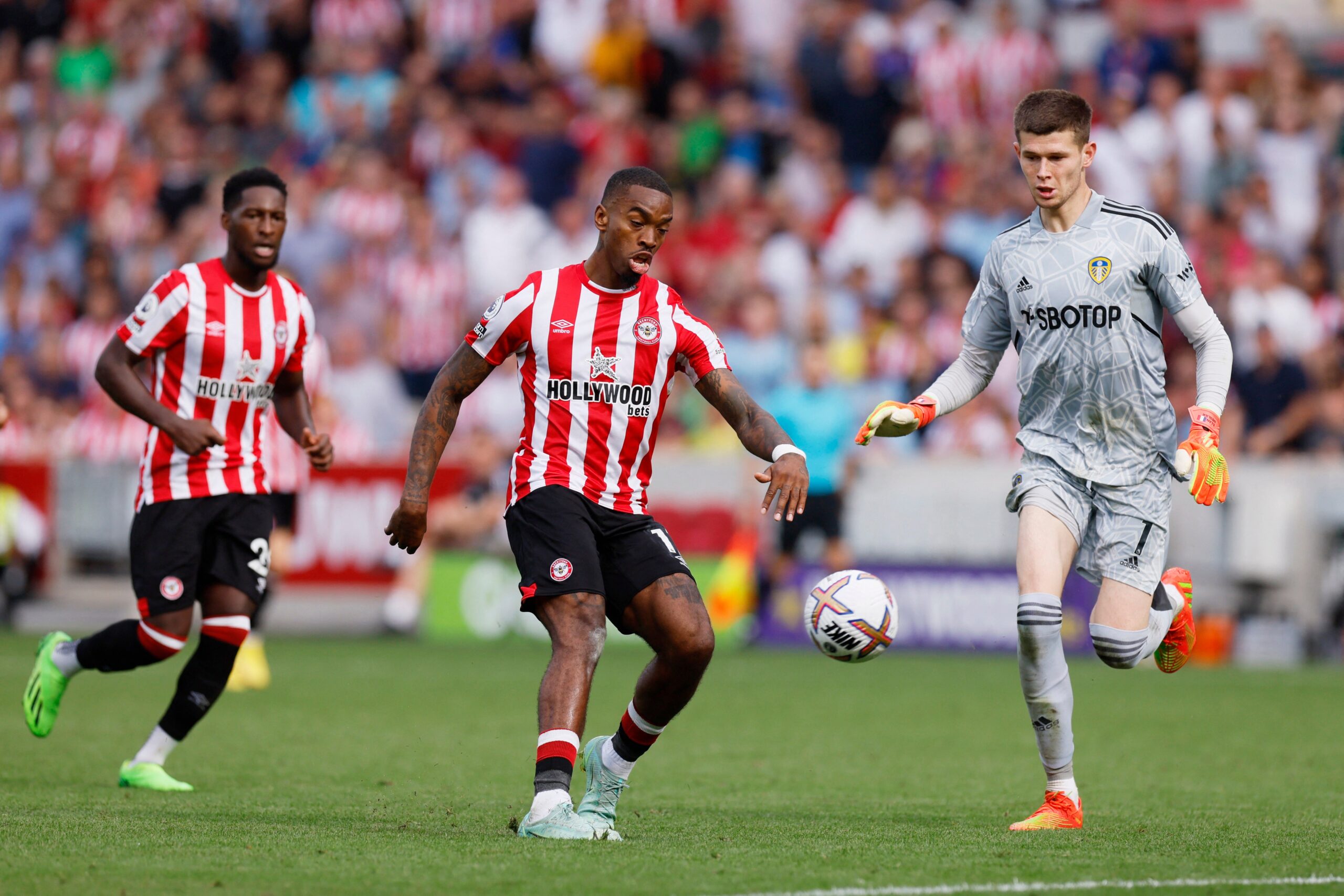


1️⃣ Match Context
Late March in the Premier League is where matches stop being “three points” and start being three-point swings. Leeds United vs Brentford lands in that uncomfortable zone: far enough into the season that identities are established, but close enough to the finish that one poor week can tilt the entire run-in.
For Leeds, this fixture reads like a stress test. At Elland Road, they’ll want tempo, territory, and emotional momentum — but that same urgency can turn into exposure if the game breaks into transitions. Brentford arrive with a different pressure profile: less about performance anxiety, more about execution. They’re typically comfortable in games that become tactical rather than chaotic. And this one has the ingredients to swing either way depending on who controls the rhythm early.
There’s also the calendar factor. The March block often hides fatigue behind “normal” minutes — heavy-legged second halves, slower counter-press reactions, and slightly deeper rest-defence lines. Those small degradations are where matches like this get decided, especially against a Brentford side that doesn’t need long spells of dominance to hurt you.
2️⃣ Form & Advanced Metrics
Leeds’ recent outputs have followed a familiar pattern: they can generate volume through pace and wide pressure, but the shot quality they allow is the real story. When Leeds are on top, they tilt the pitch and stack entries into the final third. When they’re not, they concede central access too easily — not always via blatant errors, but via spacing issues in front of the centre-backs when the press is bypassed.
If we look deeper at their attacking profile, Leeds’ chance creation tends to spike when they win the ball high and attack before the opponent is set. That’s where their pace shows up: fast vertical touches, early crosses, cutbacks arriving before the box is packed. The trade-off is volatility. A high-tempo Leeds game is rarely neutral — it’s either suffocating or exposed.
Brentford’s metrics usually read differently. They’re not obsessed with sterile possession; they’re obsessed with repeatable, high-value sequences. Their shot volume can look modest in certain matches, but the shot quality often holds because they work specific patterns: early switches, targeted channels, and quick entries when the opponent’s midfield line is stretched.
Pressing-wise, Brentford are typically more selective. Their PPDA profile (a measure of how many passes they allow before attempting defensive actions) tends to reflect a side that presses in moments rather than constantly. That matters here: against Leeds, a selective press can be more dangerous than a constant one, because it invites Leeds forward, then snaps shut on the first risky pass into midfield.
Home/away dynamics are also key. Leeds at Elland Road usually push their field tilt higher — more territory, more touches in the opposition half — but it doesn’t always translate into clean xG. Brentford away are comfortable conceding some territory as long as the box is protected and the counter lanes remain open.
3️⃣ League Table Snapshot
| Team | Position | Points | GD | Trend |
|---|---|---|---|---|
| Leeds United | 15th | 31 | -10 | Inconsistent |
| Brentford | 11th | 38 | +2 | Steady |
The positions reflect more than form; they reflect game-state control. Leeds’ inconsistency tends to come from matches flipping into open exchanges where their defensive spacing is tested. Brentford’s steadiness is usually about avoiding collapse scenarios — fewer “unplayable” peaks, but also fewer self-inflicted troughs.
4️⃣ Head-to-Head Analysis
The Leeds-Brentford matchup has often been less about who has the ball and more about who wins the second phase. Leeds want first contacts and immediate pressure after loss. Brentford want to lure the press, then play into the next line quickly — either through direct passes into the channels or quick combinations that pull Leeds’ midfield out of shape.
What tends to repeat tactically is this: Leeds create moments via energy; Brentford create moments via structure. That dynamic can produce misleading scorelines. A Leeds-dominant spell can be real territory without real danger, while Brentford can look quiet and still land the cleaner chances.
5️⃣ Tactical Breakdown (Core Section)
Who dictates tempo?
This is a tempo negotiation. Leeds will try to speed the game up — early pressure, quick restarts, vertical runs, attacking second balls. Brentford’s best path is to slow Leeds without surrendering the box: longer possessions when available, but more importantly, controlled clearances and calm buildup that forces Leeds to press for longer than they want to.
Where is the overload zone?
Leeds’ best attacking moments tend to come from wide overloads and fast deliveries. They’ll look to pin a fullback, create a 2v1, and then deliver low crosses or cutbacks. Brentford’s defensive response is usually compactness plus aggressive protection of the six-yard box — forcing Leeds into lower-percentage deliveries from less dangerous angles.
Brentford, on the other hand, will eye the half-spaces behind Leeds’ advanced midfielders. If Leeds step too high, Brentford’s vertical access becomes cleaner: one pass to bypass the press, one pass into the channel, and suddenly Leeds are sprinting back toward their own goal.
Midfield control: the real battleground
This match is likely decided by midfield spacing rather than possession totals. Leeds can win the ball high, but they can also leave a gap between the press and the back line. Brentford don’t need to “outplay” that gap — they just need to hit it once or twice with timing.
Expect Brentford to use pressing triggers on Leeds’ first pass into midfield. If Leeds’ build-up tries to force central progression too early, Brentford’s selective jump can create turnovers in dangerous zones. If Leeds go long, the second ball becomes critical — and Brentford are usually strong in those duels and rebounds.
Transition vulnerability
Leeds are most vulnerable in the five seconds after losing possession in the final third. When their counter-press is sharp, they suffocate you. When it’s half a yard late, opponents can run into open grass. Brentford are built for that exact moment: one clean outlet and they’re attacking a retreating line.
Set-piece dynamics
Brentford matches often have a set-piece sub-plot because they treat dead balls as a repeatable chance-generation channel. Leeds, when stretched and forced into emergency defending, can give away cheap fouls and corners. That matters in a game where open-play margins could be thin: one well-designed routine can swing the win probability far more than the run of play suggests.
6️⃣ Odds & Market Evaluation
| Market | Leeds | Draw | Brentford |
|---|---|---|---|
| 1X2 | 2.70 | 3.30 | 2.60 |
Implied probabilities (before margin): Leeds 2.70 ≈ 37.0%, Draw 3.30 ≈ 30.3%, Brentford 2.60 ≈ 38.5%. After accounting for the overround, the market is effectively saying this is near 50/50 between the sides with the draw sitting in the usual high-20s.
The betlabel.games team evaluates the true pricing slightly differently: Brentford carry a small structural edge because their chance profile travels better. Leeds’ ceiling at home is real, but their variance is higher — and markets often price Elland Road energy more than they price transition risk.
This doesn’t scream “massive misprice.” It reads like a spot where the edge is found in protection bets rather than pure 1X2 bravado.
7️⃣ The Hidden Edge (Mandatory Section)
There’s a structural nuance here: Brentford’s threat doesn’t require sustained dominance, and that can distort how bettors perceive form. Leeds can look better for long stretches — more attacks, more noise, more territory — while still conceding the most valuable moments.
That creates a market lag in games like this because recent scorelines and highlight-driven narratives overvalue volume. If Leeds have had matches where they “should’ve got something,” the public instinct is to buy the bounce-back. But if the underlying issue is rest-defence and central protection, it doesn’t fix itself with energy.
Another quiet angle: second-half control. Leeds’ high-tempo approach can flatten late, especially in schedule-dense periods. Brentford are one of the better sides at staying emotionally level and waiting for the game to come to them. If this stays tight into the final 30 minutes, the match state may tilt toward the team that needs fewer chances — and that’s usually Brentford.
8️⃣ Final Prediction
Main Pick: Brentford – Draw No Bet (DNB)
Alternative: Under 3.0 Asian Total Goals
Risk Level: Medium
Why this is the angle:
1) Matchup geometry favours Brentford’s transitions. Leeds’ aggressive field tilt can leave exploitable lanes, and Brentford are efficient at turning those moments into high-quality shots.
2) Leeds’ performance volatility is real. When their press is half a step late, games become unstable — exactly the kind of environment where DNB protection matters.
3) Brentford’s set-piece and game-state discipline travel. Even without dominating territory, they can stay dangerous and structurally sound for 90 minutes.
No guarantees — but in probability terms, Brentford with safety net is the cleanest way to express the edge.







Leave a Reply