




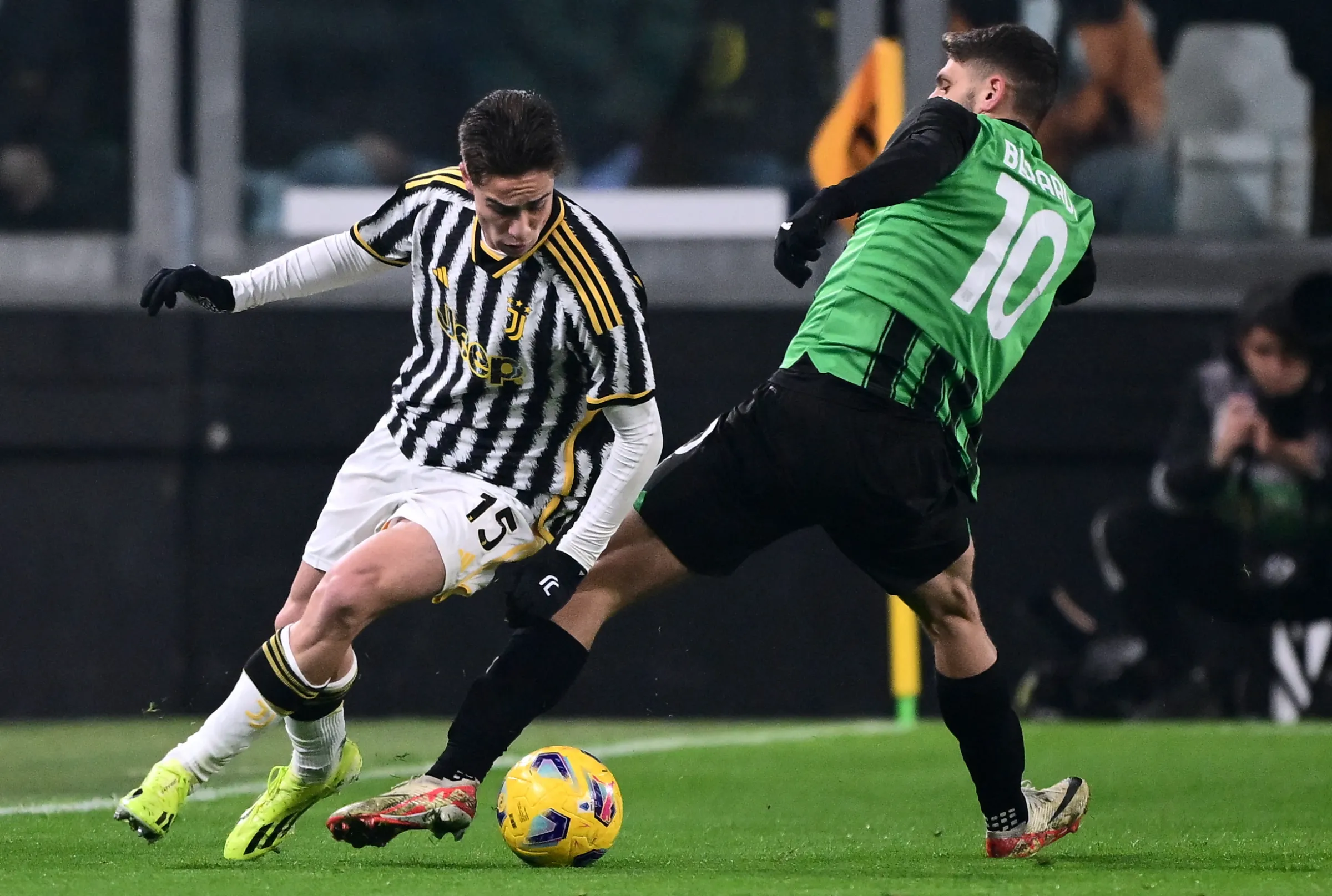


1️⃣ Match Context
Late-March Serie A games don’t always look dramatic on paper. This one is. Juventus are in the part of the season where “good enough” stops being good enough: points now don’t just shape the table, they shape the narrative around the project, the coach, and the summer.
Sassuolo arrive with a different kind of pressure. They’ve lived in the margins for years — comfortable enough to play, brave enough to risk. But when the table tightens, the same bravery becomes stressful. Every turnover feels louder. Every missed clearance is an event.
There’s also the rhythm issue. March is where fixture density, minor injuries, and mental fatigue start bleeding into performance. Juventus typically manage these weeks through control and structure. Sassuolo tend to ride emotion and momentum. That contrast matters: in high-stakes games, the team that can slow the match down usually owns it.
2️⃣ Form & Advanced Metrics
Juventus’ recent performance profile is built on territory and constraint. They don’t always create the cleanest first shot, but they stack sequences: long possessions, repeated entries, second balls, and set-piece pressure. In xG terms, that usually translates into a steady baseline rather than explosive peaks — but it also means they can win games without “needing” a perfect finishing day.
What stands out in the underlying patterns is shot quality management. Juventus aren’t immune to counters, but they tend to force opponents wide and early. The chances they concede often come from either a transition where the first duel is lost, or a mismatch at the back post after a switch. In other words: their defensive xGA is usually respectable, but it can spike when the structure is stretched horizontally.
Sassuolo are the opposite kind of team. Their best football comes when the game is fluid: quick vertical passes, early third-man runs, and wingers receiving on the move. That creates decent shot volume — but not always elite shot quality. They can rack up attempts from the edges of the box, which looks lively without being truly dangerous.
Pressing intensity is the hinge point. Sassuolo can press high, but their PPDA profile tends to be “ambitious but inconsistent”: they step up to win the ball, yet if the first line is beaten, the space behind midfield can become a runway. Juventus are built to punish exactly that. They may not be the fastest team by raw pace, but they’re efficient: one clean exit pass and they’re attacking a disorganized back line.
Home/away splits also tilt the mechanics. Juventus at home generally hold more field tilt — more touches in the final third, more sustained pressure, more corners. Sassuolo away tend to see less of the ball, which forces them into longer defensive phases. The more time they spend defending deep, the more likely individual errors creep in, especially on second phases after set pieces.
3️⃣ League Table Snapshot
| Team | Position | Points | GF | GA | Goal Diff |
|---|---|---|---|---|---|
| Juventus | 3rd | 58 | 49 | 28 | +21 |
| Sassuolo Calcio | 14th | 30 | 34 | 44 | -10 |
Takeaway: Juventus’ position reflects repeatability — they win more of the “normal” games and rarely implode. Sassuolo’s position reflects variance: their attacking intent keeps them competitive, but their defensive concessions drag them back into the pack.
4️⃣ Head-to-Head Analysis
This matchup tends to revolve around one recurring theme: Sassuolo want the game to be open, Juventus want it to be staged.
When Sassuolo have gotten results here historically, it usually comes from disrupting Juventus’ build-up and forcing rushed clearances into central areas, then attacking quickly before the block resets. When Juventus have controlled the tie, it’s been by pinning Sassuolo’s fullbacks deep and forcing their wingers into long defensive shifts — which blunts the counter threat and turns Sassuolo into a team defending their own box for extended periods.
The psychological layer is subtle but real. Juventus rarely panic against mid-table sides at home; they become methodical. Sassuolo, when they sense they’re under sustained pressure, can swing between brave and chaotic. Past meetings often show that the underlying territorial control matters more than the headline moments.
5️⃣ Tactical Breakdown (Core Section)
Who dictates tempo?
Juventus’ best route is tempo control through possession and rest-defense. Expect them to slow the match early, circulate, and wait for Sassuolo’s pressing triggers. The moment Sassuolo jump, Juventus can go direct into the half-spaces — not necessarily for an immediate shot, but to establish field position and keep Sassuolo defending facing their own goal.
Sassuolo’s tempo lever is transition. They don’t want a 25-pass Juventus sequence ending in a corner; they want a midfield duel, a loose touch, and a three-pass attack into the box. If the game becomes end-to-end, their threat rises — but the probability swings harder too.
Where is the overload zone?
Juventus should look to overload the right half-space and the area just outside Sassuolo’s left center-back. That’s often where pressing teams leave a gap: the fullback steps, the winger is high, and the midfielder is caught between protecting the center and supporting the press.
If Juventus can consistently receive between lines there, Sassuolo’s midfield will collapse inward. That opens the far side — and that’s where the back-post problem appears. Juventus don’t need ten clean chances; they need two or three sequences where the far-side runner arrives free.
Midfield control battle
This game is decided by Juventus’ ability to win the second ball. Sassuolo’s pressing is designed to create messy rebounds and loose possession. Juventus need a stable midfield triangle behind the ball so that when the first pass forward is challenged, the next duel is theirs.
If Juventus dominate second phases, Sassuolo’s press becomes self-defeating: they spend energy to win the ball, fail, then retreat into a deep block anyway.
Pressing triggers and buildup resistance
Sassuolo will press on back passes and on the first heavy touch by Juventus’ deeper build-up players. The risk is what happens if Juventus bypass that first wave. Once beaten, Sassuolo’s back line is forced to defend space rather than people — and that’s where shot quality increases for the home side.
Juventus’ counter to this is simple but effective: quick diagonals into wide zones, then immediate inside combinations. It’s less about dribbling past the press and more about moving it out of shape.
Transition vulnerability
Juventus’ main danger is losing the ball with both fullbacks advanced. Sassuolo can attack the channels quickly, especially if their winger receives early and can drive at a retreating center-back. The key for Juventus is to avoid “bad turnovers” — giveaways in central zones that turn into 4v4s.
If Juventus manage their rest-defense properly (two or three players positioned to delay counters), Sassuolo’s transitions become hopeful rather than surgical.
Set-piece dynamics
Set pieces are a quiet edge here. Juventus’ home pressure typically produces corners and wide free kicks. Sassuolo’s defensive structure can look fine on the first delivery but fragile on second balls — half-clears that land at the edge of the box or fall to the far post. Over 90 minutes, that adds expected value in a way the market often underweights compared to open-play highlights.
6️⃣ Odds & Market Evaluation
| Market | Selection | Odds | Implied Probability | betlabel.games Probability |
|---|---|---|---|---|
| 1X2 | Juventus | 1.50 | 66.7% | 68% |
| 1X2 | Draw | 4.30 | 23.3% | 20% |
| 1X2 | Sassuolo | 6.80 | 14.7% | 12% |
Those implied probabilities don’t sum to 100% because of bookmaker margin. After adjusting conceptually for the overround, the market is still clearly saying: Juventus win most of the time.
According to our calculations, Juventus are priced slightly short but not irrationally so. The edge is modest on the home win unless you can improve the number via derivatives (handicaps, team totals, or in-play timing).
7️⃣ The Hidden Edge (Mandatory Section)
There’s a structural nuance here: Sassuolo’s “lively” attacking profile can mask a shot-quality problem.
They can look dangerous because they shoot — but when you look deeper, many of those shots come from lower-value areas, especially if the opponent closes central lanes and forces them wide. Against a Juventus block that prioritizes protecting the middle, Sassuolo often drift into hopeful crossing or long-range efforts. That inflates volume without inflating xG.
On the other side, Juventus’ chance creation can be underrated because it isn’t always spectacular. They generate pressure in layers: box entries, corners, recycled attacks, and repeated final-third possessions. Markets sometimes price “chance creation” through highlight-reel moments. Juventus create through accumulation. That tends to show up late in games, when the defending team’s spacing deteriorates.
The hidden edge is second-half control. If Sassuolo’s press fades even slightly, Juventus’ territorial dominance becomes more decisive — and that’s where handicaps and live team totals can outperform the pre-match 1X2 price.
8️⃣ Final Prediction
Main Pick: Juventus -1.0 Asian Handicap
Alternative: Juventus team total over 1.5 goals
Risk Level: Medium
Why this is the best angle:
1) Tactical fit. Juventus’ ability to control territory and force Sassuolo into long defensive phases targets Sassuolo’s weakest mode: sustained box defense and second balls.
2) Shot-quality edge. Sassuolo can generate attempts, but Juventus are positioned to restrict central shots and push them into lower-value areas — reducing the upset pathway.
3) Game-state logic. If Juventus score first, the match often tilts into exactly what they want: structured possession, managed transitions, and an increasing set-piece advantage. That’s the scenario where -1.0 and the team total both have clean equity.
No guarantees — Sassuolo can always land a transition punch. But over 90 minutes, the most likely script is Juventus grinding the match into control, then converting that control into goals.







Leave a Reply