



1️⃣ Match Context
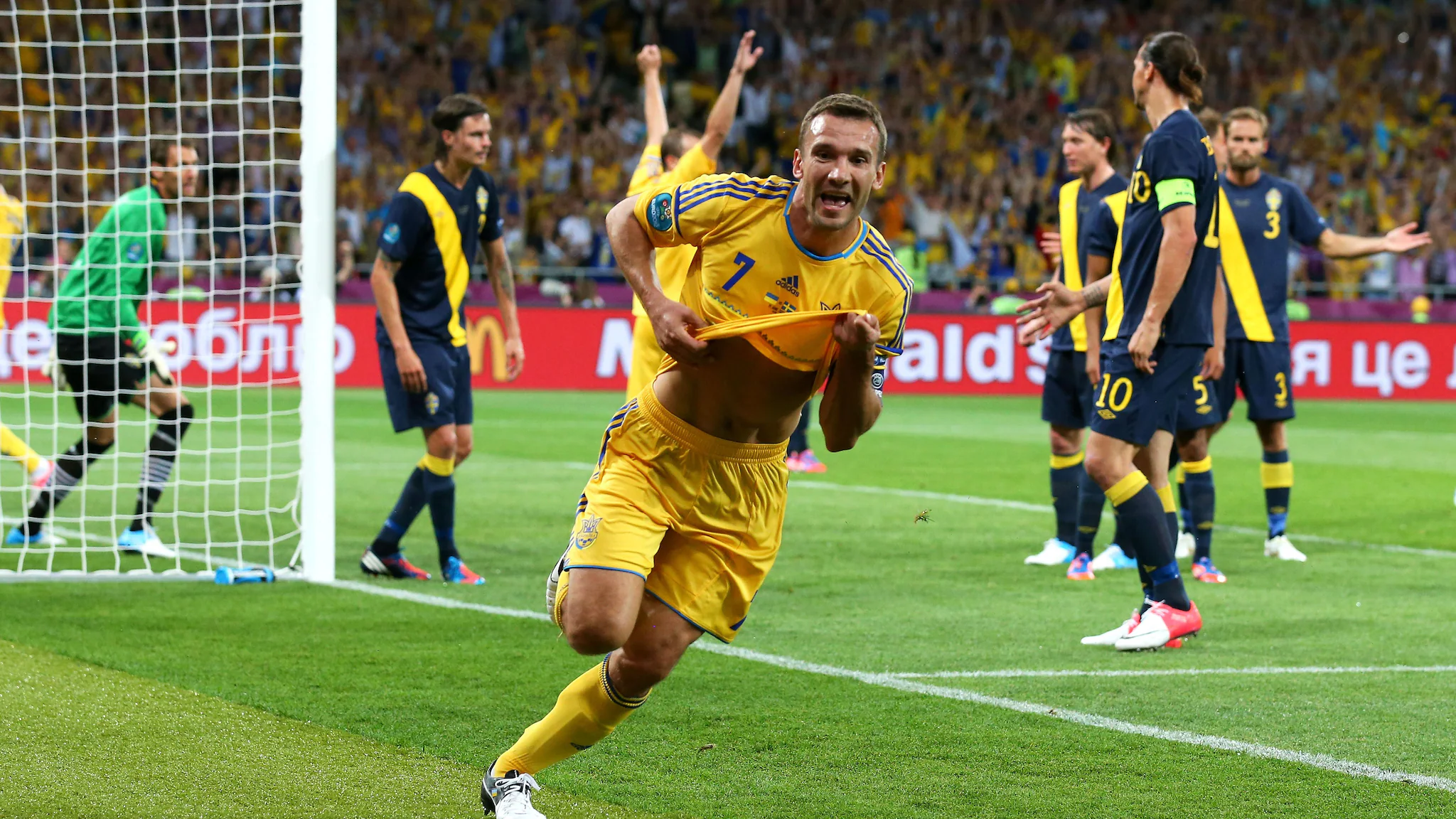
World Cup qualifying in Europe rarely gives you low-stakes nights, and this one has all the ingredients of a group-defining hinge game. Ukraine vs Sweden is the type of fixture that doesn’t just move points around — it shapes belief, pressure, and the way the next international window is approached.
Ukraine are dealing with the particular psychological burden of being a “must-perform” side: talent level high enough to be judged harshly, but not so dominant that they can coast through group stages. Sweden arrive with a different weight — a program that expects major-tournament presence, yet has lived through enough qualifying turbulence recently to know how quickly a group can turn.
The schedule dynamic matters too. March qualifiers often punish teams that rely on heavy sprint volume and aggressive pressing, because the squads are stitched together after club cycles, not built through weeks of training. That tends to benefit the side with cleaner spacing and more repeatable possession structures. In a game expected to be tight in the market, the “who can play their normal football fastest” angle becomes decisive.
2️⃣ Form & Advanced Metrics
Ukraine’s recent profile is built on territory and sequence control. They tend to push the ball into advanced zones consistently — not always at breakneck pace, but with enough field tilt to keep opponents defending their own box for long spells. The numbers indicate their shot volume is usually healthy, yet the shot quality can swing depending on whether they can access the half-spaces rather than being forced into early crosses.
Defensively, Ukraine’s story is more fragile than the raw goals allowed sometimes suggest. When their midfield line gets stretched, opponents can find central looks quickly, and that’s where volatility lives — not in conceding lots of shots, but in conceding the wrong shots. In xG terms, that’s the difference between “busy defending” and “high-value defending.” Ukraine can be the latter if their rest-defense positioning is even slightly off.
Sweden, meanwhile, have leaned into a more pragmatic balance: fewer chaotic games, more controlled phases. Their attacking output is often driven by efficiency — getting to the box with fewer actions, rather than sustaining wave after wave. That can look blunt when chasing a game, but it’s valuable in qualifying away matches where a draw is not a failure and where the first goal changes everything.
Pressing intensity is the subtle divider. Ukraine can spike into aggressive pressing phases (lower PPDA stretches) when they smell instability in buildup, but they’re not a constant high-press machine across 90 minutes in this competition context. Sweden are typically more selective: they press on triggers — a backward pass, a fullback receiving closed, a soft central touch — and otherwise defend in a compact mid-block. That often reduces opponent shot quality even if it concedes some territory.
Home/away dynamics matter. Ukraine at home (or in home-like venues) tend to start fast, with higher tempo early and more entries into the final third. Sweden away are comfortable absorbing that opening wave — their risk profile is built for surviving the first 25 minutes and then turning the game into a set-piece and transition contest.
3️⃣ League Table Snapshot
| Team | Played | W | D | L | GF | GA | Pts |
|---|---|---|---|---|---|---|---|
| Ukraine | 2 | 1 | 1 | 0 | 3 | 2 | 4 |
| Sweden | 2 | 1 | 0 | 1 | 3 | 3 | 3 |
Takeaway: early-table points can be misleading, but the shape is clear: Ukraine have avoided the damaging loss, Sweden have already taken one punch. In qualifying, that changes incentives — Ukraine can protect position; Sweden may need to take slightly more initiative than they’d prefer away from home.
4️⃣ Head-to-Head Analysis
The useful lens for Ukraine vs Sweden isn’t old scorelines — it’s how the matchups tend to form. When these sides meet, the game often becomes a negotiation over midfield access: Ukraine want progression through interior pockets, Sweden want to deny central entry and invite play wide.
That tactical repetition creates a consistent pattern: Ukraine can look dominant in territory and possession, while Sweden remain live through transitional moments and dead-ball situations. When outcomes have tilted Sweden’s way historically, it’s usually aligned with game-state efficiency rather than overwhelming chance creation — the kind of edge that looks “clinical” but is often about forcing the opponent into low-quality volume.
5️⃣ Tactical Breakdown (Core Section)
Who dictates tempo?
Ukraine are more likely to have the ball and set the rhythm, especially early. The question isn’t whether they’ll see possession — they will — but whether that possession becomes penetration or just circulation. Sweden’s ideal is a match played in blocks: concede the first phase, slow the second phase, then strike in the third.
The overload zone: half-spaces vs wide funnels
Ukraine’s best attacking moments usually come when they can overload the half-spaces and combine into the box, forcing center-backs to step and opening cutback lanes. Sweden’s structure is designed to prevent exactly that. Expect Sweden to funnel attacks wide, protect the zone between fullback and center-back, and live with crosses as long as the box is set.
This creates a key tension: if Ukraine’s wide deliveries are early and unprotected, Sweden’s aerial defending and second-ball positioning can neutralize it. If Ukraine instead use wide areas to pull Sweden’s block, then re-enter centrally (third-man runs, delayed underlaps), Sweden’s compactness can crack.
Midfield control battle
The game likely turns on Ukraine’s ability to keep midfield connections short under pressure. Sweden don’t need to press high constantly; they need to disrupt the first clean forward pass. If Sweden’s midfield can screen the pivot and force Ukraine into fullback-to-winger patterns, Ukraine’s shot profile gets worse — more angles, fewer central finishes.
On the other side, Sweden’s midfield will be tested on buildup resistance. Ukraine’s pressing is most dangerous when it’s coordinated around triggers: a heavy touch facing own goal, a center-back split too wide, a fullback receiving near the touchline. If Sweden play too safely, they invite wave-after-wave defending. If they take risks centrally, they invite turnovers in the exact zones Ukraine can punish.
Transition vulnerability
There’s a structural nuance here: Ukraine’s attacking shape can leave them exposed if the rest-defense isn’t disciplined. When their fullbacks push and the midfield spacing stretches, Sweden’s direct counters can access space behind the first pressure line quickly. Sweden don’t need a high shot count — they need two or three clean transition shots of decent quality. That’s enough to flip a qualifying game.
Set pieces: the quiet swing factor
Qualifiers often come down to dead balls because open-play chance volumes compress under pressure. Sweden are comfortable making set pieces a weapon — not just in delivery quality, but in their willingness to win territory and treat throw-ins and corners as mini-attacks. Ukraine must be sharp on second balls; otherwise, they’ll concede repeated “phase-two” shots that don’t look dangerous until one finally lands clean.
6️⃣ Odds & Market Evaluation
| Market | Ukraine | Draw | Sweden |
|---|---|---|---|
| 1X2 (average) | 2.45 | 3.10 | 3.10 |
Implied probabilities (before adjusting for bookmaker margin) are roughly: Ukraine 40.8%, Draw 32.3%, Sweden 32.3%. After normalizing for the overround, the market is essentially saying: Ukraine slight favorite, with a high draw likelihood and Sweden priced as a very live away side.
According to our calculations at betlabel.games, the true distribution is a touch more balanced than the raw “home favorite” framing: Ukraine win 38%, draw 30%, Sweden win 32%. That’s not a massive disagreement — which means the edge is about selecting the right market, not forcing a hot take on 1X2.
7️⃣ The Hidden Edge (Mandatory Section)
The market’s potential blind spot here is how these teams create (and concede) quality rather than volume. Ukraine can look impressive in territorial dominance, but if Sweden succeed in forcing wide funnels, Ukraine’s “control” can quietly become low-value shot accumulation — the kind that inflates perceived dominance without moving expected goals as much as people assume.
Meanwhile, Sweden’s attacking can look underwhelming in pure possession terms, yet their best chances tend to be high-leverage moments: transitions into a disorganized rest-defense, or set-piece sequences that generate close-range second balls. Those chances don’t require a high tempo game. They require Ukraine to lose shape once or twice.
Why might the market be slow to adjust? Because recent scorelines often anchor perception. A narrow Ukraine win or “good performance” can be overvalued if it came from territorial control rather than repeatable box entries. And Sweden’s occasional low-shot matches can be misread as weakness when they’re actually a choice: reduce variance away, keep the game alive, then take your moments.
8️⃣ Final Prediction
Main Pick: Under 2.5 Goals
Alternative: Sweden +0.5 (Double Chance)
Risk Level: Medium
The logic is clean:
1) Game-state incentives favor control. Early qualifiers reward not losing; Ukraine’s slight table advantage encourages patience, Sweden are comfortable being the team that keeps it tight.
2) Tactical matchup reduces shot quality. Sweden’s compact mid-block tends to push Ukraine toward wider, lower-value attempts unless Ukraine break half-space access consistently.
3) Sweden’s threat is episodic, not constant. They can create enough to score, but their best path is transitions and set pieces — patterns that don’t automatically turn into a high-total game.
No guarantees — one early goal can force a different script — but in a matchup built on structure and restraint, the under and the Sweden-side protection are the value-aligned angles.



Leave a Reply