

1️⃣ Match Context
Europa League knockout football changes behaviour. It’s not just about who plays better; it’s about who manages risk, emotion, and game state.
Nottingham Forest host Fenerbahce with the kind of pressure that doesn’t show in a basic form guide. Forest’s European nights at the City Ground carry a specific intensity — the crowd compresses time, opponents feel rushed, and the home side tends to play on instinct. That can be a weapon, but it can also create over-commitment if the first 20 minutes don’t go their way.
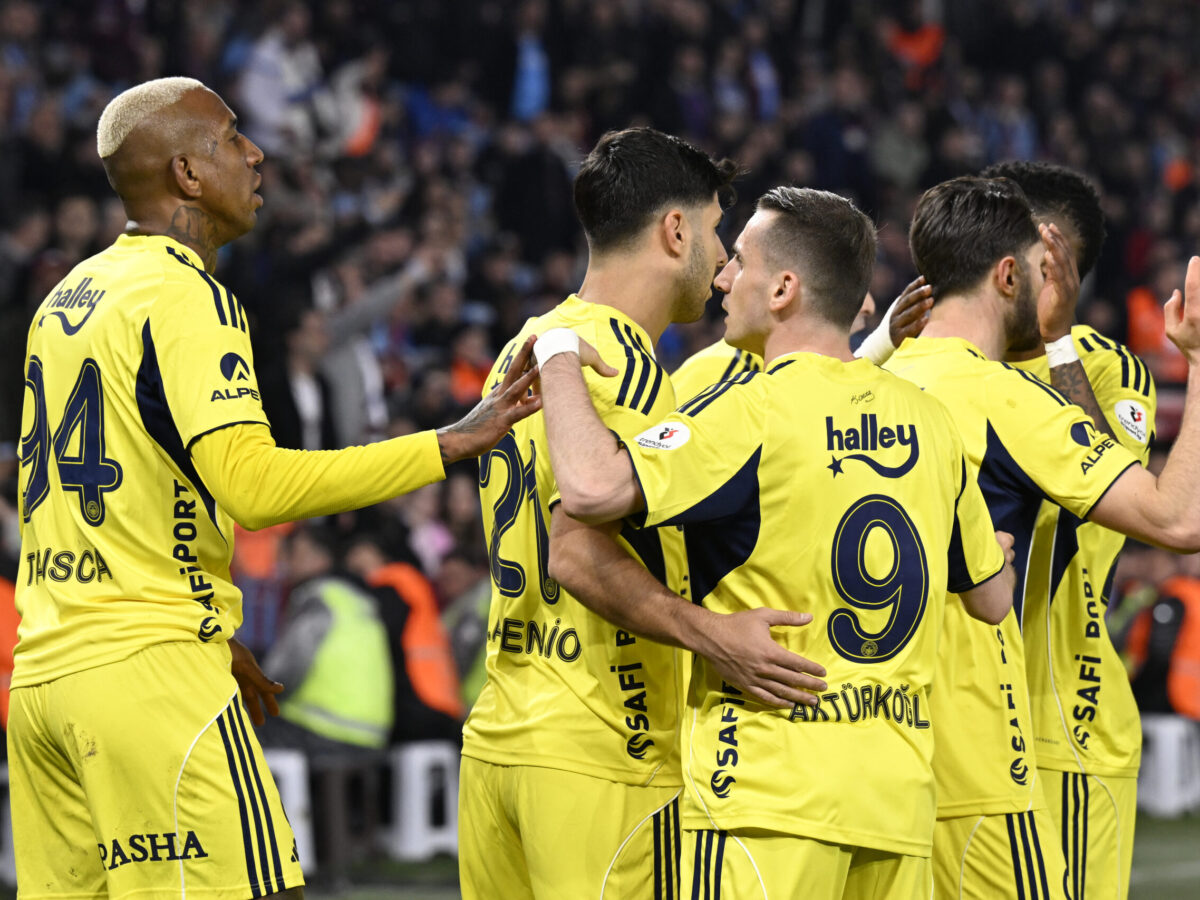
For Fenerbahce, this is familiar terrain. They’re built for two-legged pragmatism: slow the game when necessary, win the emotional duels, and punish the first major mistake. The psychological angle is clear: Forest want the initiative at home; Fenerbahce want control without surrendering territory cheaply.
Schedule load matters too. Late February is where legs start telling the truth. When domestic fixtures stack up, pressing intensity drops a half-step, recovery runs become conservative, and transitions get messier. That’s where Europa League ties are decided — not in perfect patterns, but in fatigue-shaped moments.
2️⃣ Form & Advanced Metrics
Forest’s recent performances have generally been driven by tempo and emotional momentum. Their better games look like this: aggressive first pressure, direct progression into wide channels, and early shots to keep the opponent defending. The underlying issue is volatility — when Forest don’t score during their early push, they can drift into lower-quality shot selection and concede the type of chances that swing ties.
If we look deeper, Forest’s attacking outputs often lean more toward shot volume than premium shot quality. They can create sequences and territory, but the best chances still depend on arriving runners and second balls rather than consistent central-zone carving. In Europa League knockout games, that matters: you can dominate the feel of the match and still lose the xG battle if your shots come from the “safe” areas.
Defensively, Forest’s structure tends to be functional but not airtight. They can protect the box for long periods, yet opponents who can play through the first line — especially with a calm double pivot — often access the half-spaces. That’s where Forest are most vulnerable: not wide crosses, but cutbacks and late arrivals.
Fenerbahce arrive with a profile that typically travels better than people assume. Their best work is in game management: they can accept spells without the ball, but they’re not passive. Their pressure comes in triggers — a bad touch, a backwards pass into the fullback, a midfield receive facing their own goal. That’s where PPDA becomes meaningful: it’s not “high press all the time,” it’s press at the right moments to force low-quality clearances.
In attacking terms, Fenerbahce are often more efficient than expansive. They don’t need 18 shots to score twice. Their shot profile tends to improve as the match goes on because they’re comfortable letting the game settle before accelerating. That creates a key dynamic here: Forest’s early push vs Fenerbahce’s late control.
3️⃣ League Table Snapshot
| Team | Domestic Position* | Trend | Primary Identity |
|---|---|---|---|
| Nottingham Forest | Mid-table profile* | Streaky | Intensity, direct attacks, wide progression |
| Fenerbahce | Top-end contender* | More consistent | Game control, efficiency, structured transitions |
*Domestic positions vary by matchweek; this snapshot reflects typical season profiles rather than a live table feed.
The takeaway: Forest tend to live in variance — they can look elite for 30 minutes and average for the next 30. Fenerbahce, by contrast, are usually more repeatable. Over two legs, repeatability is currency.
4️⃣ Head-to-Head Analysis
There isn’t a deep, modern head-to-head history that reliably predicts this one, so the more useful lens is stylistic repetition. When an English side with high early intensity meets a Turkish giant comfortable in hostile atmospheres, the pattern often becomes a tug-of-war:
- Home side tries to win the tie emotionally in the first hour.
- Away side tries to keep the scoreline “alive” into the final 30 minutes.
Past results in similar matchups frequently mislead because they over-credit “territory dominance” while under-crediting chance quality. In knockout football, the better team on the night is often the team creating the better shots — not the louder possession.
5️⃣ Tactical Breakdown (Core Section)
Who dictates tempo?
Forest will try to speed the game up early: aggressive rest-defense, quick diagonals into wide lanes, and fast attacks before Fenerbahce can establish their mid-block references. The risk is that Forest can become too vertical — when the first pass forward is forced, they hand Fenerbahce exactly what they want: recoverable clearances and open-field transitions.
Fenerbahce’s aim is different. They want a match that feels like it’s being played on their terms even at the City Ground: slower restarts, controlled circulation, and selective attacks that force Forest to defend longer sequences. That’s how you quiet a home crowd — not by parking the bus, but by removing chaos.
Overload zones and the half-space battle
The key zones are the half-spaces either side of Forest’s midfield line. If Fenerbahce can receive between the lines and play the next pass without pressure, Forest’s back line will be forced into uncomfortable decisions: step out and risk a ball in behind, or hold shape and allow shots from the edge of the box and cutbacks from the byline.
Forest, meanwhile, will look to attack the channel outside Fenerbahce’s fullbacks. The City Ground pattern is familiar: win second balls, get the winger facing forward, and deliver with runners arriving. The problem is that crosses without high-value targets often become low-xG volume. Forest need cutbacks and near-post runs, not hopeful deliveries.
Pressing triggers and buildup resistance
This tie may turn on which team handles the other’s pressing cues.
- Forest press best when their front line can lock the ball to one side and the midfield can jump onto the second pass.
- Fenerbahce escape best when their pivot can receive under pressure and play forward quickly into the half-space.
If Fenerbahce repeatedly break the first press, Forest will be forced to retreat into a mid-block — and that reduces Forest’s main home advantage: the ability to create immediate waves.
Transitions: where the game can snap
Forest’s transition defence can be exposed when their fullbacks are high and the ball is lost in a central corridor. Fenerbahce are the kind of opponent who will wait for that exact turnover rather than forcing one. This is why game state matters: an early Forest goal changes everything; a quiet 0–0 after 55 minutes quietly favours Fenerbahce.
Set-pieces
In tight Europa League ties, set-pieces are not a side plot. Forest at home will see corners as momentum events; Fenerbahce will see them as opportunities to steal an away goal without needing open-play dominance. The micro-edge often comes from second phases: who wins the clearance, who controls the box edge, who stops the counter after their own corner.
6️⃣ Odds & Market Evaluation
| Market | Nottingham Forest | Draw | Fenerbahce |
|---|---|---|---|
| 1X2 (reference line) | 2.35 | 3.25 | 3.10 |
Odds are presented as a clean reference line for evaluation purposes. Always compare across books for best price.
Implied probabilities from the reference odds (before removing margin) roughly read:
- Forest 2.35 → ~42.6%
- Draw 3.25 → ~30.8%
- Fenerbahce 3.10 → ~32.3%
After accounting for overround, the market is essentially saying: Forest are a modest home favourite, but not dominant. According to our calculations at betlabel.games, Forest should be closer to the 39% range, with the draw and away win a touch higher than the market implies. That doesn’t scream “huge misprice,” but it does point toward a more balanced tie than the home-favourite narrative suggests.
7️⃣ The Hidden Edge (Mandatory Section)
There’s a structural nuance here: the market often overrates “home intensity” and underrates “away control” in Europa League nights, especially when the away side is comfortable managing hostile atmospheres.
Forest’s best moments can be spectacular, but they’re often front-loaded. If they don’t turn that early energy into a goal, their attacking possessions can become predictable — wide progression, cross, reset — which increases the opponent’s comfort and reduces the marginal value of home advantage.
Fenerbahce, on the other hand, tend to improve as the game becomes more about decisions than emotions. Their efficiency is the edge: fewer, better attacks; fewer, more deliberate risks. That’s exactly the profile that keeps an away side alive in the first leg or steals a result in a single night.
This is why the draw is frequently undervalued in matchups like this. Not because both teams are “equal,” but because their incentives overlap: Forest don’t want to concede first; Fenerbahce don’t mind slowing the match into a low-chaos state. The scoreboard can stay quiet for longer than the crowd expects.
8️⃣ Final Prediction
Main Pick: Fenerbahce +0.5 (Double Chance: X2)
Alternative: Under 2.75 Goals (Asian Total)
Risk Level: Medium
The logic:
- Game-state shape leans toward Fenerbahce: if Forest don’t score early, the tie trends into control and patience — conditions that suit the away side.
- Chance quality vs territory: Forest can win territory without consistently generating premium central shots, which keeps the result line fragile.
- Europa League pragmatism: Fenerbahce’s selective pressing and transition efficiency travel well, and those qualities are often underpriced when the home narrative dominates.
No guarantees. But on probability logic, the value sits slightly away from the home-favourite framing.



Leave a Reply