


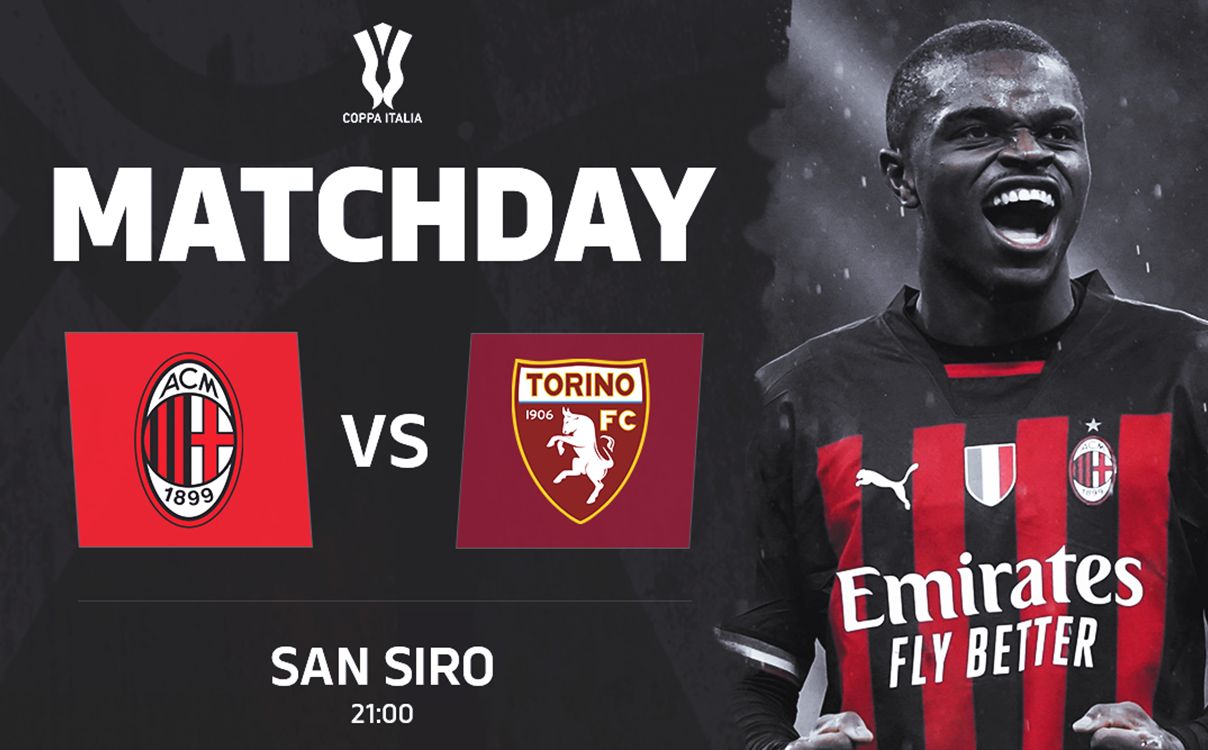
Match Context
February in Serie A is where ambition meets pressure.
Milan enter this round fighting for Champions League positioning, possibly even keeping one eye on the title conversation if the gap above remains manageable. Points at San Siro against bottom-half teams are not optional — they are structural necessities.
Parma arrive with a different kind of urgency. For them, every away match against the elite is a survival exam. They are hovering above the relegation zone, and while expectations are lower, desperation is higher.
There’s also the calendar factor. Milan have European commitments in the background. Rotation is inevitable. Energy management becomes a silent variable.
Parma, meanwhile, can focus entirely on domestic survival. No distractions. Just structure and resistance.
On paper, this looks one-sided.
But context complicates simplicity.
Form & Advanced Metrics
Milan average roughly 1.95 xG per match, conceding around 1.05 xGA. On the surface, that’s top-four territory. But if you look deeper, their chance profile is slightly inflated by high shot volume rather than pure shot quality.
They generate a lot of attempts from the edges of the box. When combinations click centrally, they are dangerous. When they don’t, possession turns sterile.
Parma sit closer to 1.10 xG created and 1.60 xGA conceded. That differential explains their table position. They allow opponents into dangerous zones too easily, particularly when defending wide overloads.
PPDA tells an interesting story:
- Milan — ~10.2 (structured high press, especially at home)
- Parma — ~14.8 (mid-block, limited pressing triggers)
This suggests territorial dominance for Milan. The question is how efficiently they convert it.
Milan at San Siro increase tempo early. They push full-backs high and compress the opponent in their defensive third. Parma away from home reduce line height and prioritize compactness over pressing.
The clash is stylistic: sustained pressure versus containment.
League Table Snapshot
| Position | Team | Points | Goal Difference |
|---|---|---|---|
| 3 | Milan | 53 | +24 |
| 16 | Parma | 24 | -18 |
The table reflects structural differences.
Milan’s goal difference aligns with their xG margin. Parma’s negative differential is not exaggerated — it mirrors the underlying numbers.
But here’s the nuance: Parma’s worst defeats came against transition-heavy sides. Against positional teams, they sometimes manage to keep games tighter.
That distinction matters.
Head-to-Head Trends
Historically, Milan dominate this fixture at San Siro.
But the pattern isn’t always explosive. Parma often defend deep, concede possession, and attempt to limit central penetration.
In recent meetings:
- Milan controlled territory
- Parma struggled to progress the ball under pressure
- Scorelines were comfortable but not chaotic
There is a psychological tilt — Milan expect to win. Parma expect to suffer.
The tactical script tends to repeat: one team dictates, the other absorbs.
Tactical Breakdown
This is a game about width and patience.
Milan build through a 4-2-3-1 structure that morphs into a 2-3-5 in sustained possession. Full-backs push into advanced channels, wingers invert, and the No.10 operates between lines.
The overload happens in the half-spaces.
Parma defend in a compact 4-4-2 mid-block. Their objective is simple: deny central progression and force Milan wide. They are willing to concede crosses — but not cut-backs.
So where does the match tilt?
If Milan’s wide players consistently beat their markers, Parma’s defensive line will collapse inward. That opens the second ball zone around the penalty spot — Milan’s most productive scoring area.
If Parma maintain compact distances between full-back and center-back, Milan’s attacks risk becoming predictable.
The pressing layer is key.
Milan’s PPDA around 10 indicates active counterpressing. Parma’s buildup under pressure is fragile. They average fewer progressive passes under high press compared to league median.
That means turnovers in dangerous areas are likely.
But there’s nuance.
Milan occasionally struggle against deep blocks when forced into slow circulation. If they fail to accelerate tempo in the first 30 minutes, anxiety can creep in.
And that affects shot quality.
Odds & Market Assessment
| Outcome | Odds | Implied Probability |
|---|---|---|
| Milan | 1.55 | 64.5% |
| Draw | 4.20 | 23.8% |
| Parma | 6.50 | 15.4% |
According to our calculations at betlabel.games:
- Milan — 62%
- Draw — 23%
- Parma — 15%
The market slightly overprices Milan.
Not dramatically. But marginally.
Implied probability sits near 65%, while our estimate is closer to 62%. That difference matters when margins are thin.
The more interesting conversation may lie in totals.
Over 2.5 is likely priced short. But Milan’s home games against compact blocks do not always explode unless they score early.
Game state will dictate pace.
The Hidden Insight
Here’s where the subtle angle appears.
Milan have slightly overperformed their non-penalty xG in recent fixtures. Finishing efficiency has been above seasonal average.
Parma, meanwhile, have conceded goals from relatively low-quality chances — particularly from distance.
That discrepancy suggests variance rather than structural collapse.
Markets often react to final scorelines. A recent 3–0 win feels dominant. But if the underlying xG was 1.7–0.8, the performance was solid — not overwhelming.
If Milan fail to score early, regression toward average finishing could compress the margin.
This is not about Parma suddenly becoming solid.
It’s about expectation management.
Final Prediction
Main Pick: Milan to Win & Under 3.5 Goals
Risk level: Medium.
Key arguments:
- Territorial dominance and pressing advantage should generate enough volume.
- Parma’s buildup vulnerability under pressure increases turnover-based chances.
- Milan’s chance quality profile suggests controlled rather than explosive scoring.
Alternative angle: Parma +1.5 Asian Handicap
Команда betlabel.games оценивает вероятность победы хозяев высоко, но не настолько, чтобы игнорировать ценность в производных рынках.
This is a structural mismatch.
But structure does not always mean spectacle.
Probabilities, not promises.




Leave a Reply