


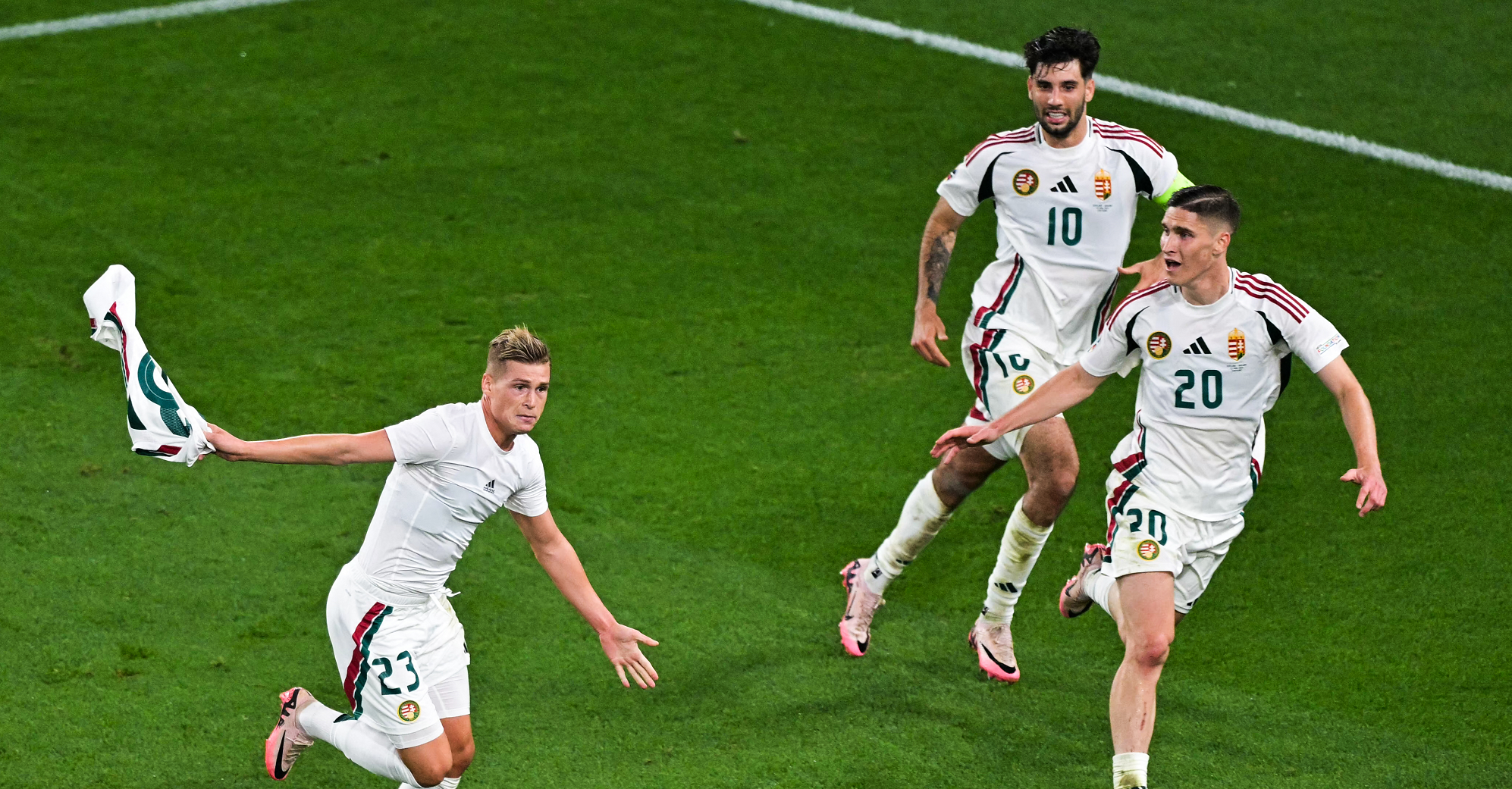


1️⃣ Match Context
Friendlies are rarely “meaningless” for national teams — they just shift the pressure from the table to the selection room. Hungary vs Slovenia lands in a window where coaches are stress-testing structures, not just chasing a result, but the incentives still differ.
Hungary play these home dates with a clear identity to protect: intensity, verticality, and a crowd that expects front-foot football in Budapest. For them, the friendly is a rehearsal of automatisms — pressing triggers, second-ball dominance, and set-piece routines — the exact things that travel well into qualification campaigns.
Slovenia arrive with a different psychological weight. Their recent cycles have leaned on tactical discipline and game management, and in friendlies the temptation is to rotate and preserve legs. But this also becomes an audition environment: squad players know these are the minutes that decide autumn call-ups. That usually raises the baseline intensity — but only in bursts.
Schedule context matters too. National-team windows compress training time, so teams fall back on habits. That’s why this matchup is more “identity vs identity” than a blank slate. Expect a game that starts cautiously, then opens as substitutions tilt the midfield balance and transition control becomes the deciding theme.
2️⃣ Form & Advanced Metrics
Hungary’s best football in the last year has followed a familiar pattern: they don’t need endless possession to look in control. The numbers indicate a preference for faster possessions — fewer passes per attack, more early deliveries into the box, and a willingness to shoot before the defense is fully set. That can inflate shot volume without always guaranteeing top-tier shot quality.
The key is where Hungary’s chances come from. When they’re functioning, they generate a steady stream of shots from the inside channels rather than living on low-value wide efforts. But there’s volatility: if the opponent blocks central access, Hungary can default into crossing and second balls. That’s fine against teams who concede territory; it’s less effective against a compact 5-3-2/4-4-2 block that clears the box well.
Defensively, Hungary tend to allow a manageable number of shots — yet the warning sign is shot quality. When their press is bypassed, the back line can face direct carries into the half-spaces. That’s where xGA rises quickly: not from constant pressure, but from a few high-leverage concessions. In friendly conditions, with rotations and slightly less coordinated pressing, those moments become more frequent.
Slovenia’s profile is more measured. Their attacking sequences are typically slower and more deliberate, with longer spells of circulation before they commit numbers. That can keep their shot count modest, but it often improves shot selection — fewer “hope” shots, more attempts after drawing the defense inward. Their issue is end-product consistency: they can build stable territory without turning it into repeated high-quality looks unless they win the central duel.
Pressing intensity is the other split. Hungary generally operate with a more proactive press — lower PPDA in competitive matches, meaning they allow fewer opponent passes before attempting a defensive action. Slovenia are more selective: they press on triggers (bad touch, backwards pass, isolated fullback), then fall into shape. In a friendly, that selectivity often becomes even more conservative, especially away from home.
Translation into match reality: Hungary will likely lead the early tempo and territory, but Slovenia’s ability to avoid cheap turnovers will decide whether this becomes a controlled Hungarian push or an open transition game.
3️⃣ League Table Snapshot
There’s no league table in international friendlies, but we can still frame a “competitive level snapshot” through recent tournament/qualification performance tiers — essentially, what kind of opponents these teams have been trading blows with and how sustainable their results look.
| Team | Recent Competitive Tier | Typical Game State | Identity Note |
|---|---|---|---|
| Hungary | Upper mid-tier Europe | Front-foot at home | High energy, direct progression |
| Slovenia | Mid-tier Europe | Controlled away spells | Compact shape, selective pressing |
Takeaway: this fixture is close in overall level, but not symmetric in style. Hungary’s edge typically comes from pace and volume; Slovenia’s comes from structure and minimizing game-state chaos.
4️⃣ Head-to-Head Analysis
Head-to-head in national-team football is only useful when the tactical DNA repeats. Here, it largely does: Hungary look to accelerate games; Slovenia look to shrink them.
When these profiles collide, the recurring pattern is territorial advantage for Hungary that doesn’t always convert cleanly into separation. That’s not “bad finishing” as a simple story — it’s often a shot-quality issue driven by Slovenia’s ability to keep the box protected and force attempts from less optimal lanes.
Psychologically, there’s also a subtle dynamic: Hungary at home tend to interpret dominance as obligation. If they don’t score early, the attack can speed up — and that feeds Slovenia’s transition opportunities. Past meetings that swung were usually decided not by long spells of superiority, but by one turnover-to-chance sequence.
5️⃣ Tactical Breakdown (Core Section)
Who dictates tempo?
Hungary will try. They want the ball moved forward early, and they’re comfortable taking territory without perfect control — the aim is to keep Slovenia defending while hunting second balls around the box.
Slovenia’s plan should be to “cool” the game: longer possessions, safe progression, and a compact rest-defense to remove the counterpress window Hungary rely on. If Slovenia can turn the first 15 minutes into a low-event rhythm, the match tilts toward their comfort zone.
The overload zone: half-spaces vs wide funnels
Hungary’s most productive attacks typically arrive when they access the inside channels and force defensive rotations. The risk is that Slovenia can deliberately funnel them wide, where crossing volume rises but shot quality drops. That’s a tactical tax: Hungary still look busy, but the expected-goal value per shot can slide.
For Slovenia, the key attacking lane is often the space behind Hungary’s advancing fullbacks. If Hungary commit both sides high at once, Slovenia don’t need many counters — they need two or three clean ones. That’s where the match can flip from “Hungary pressure” to “Hungary exposed” quickly.
Midfield control battle
This game is decided in the second line, not the final third. Hungary’s press relies on synchronized midfield stepping. In a friendly, that synchronization is the first thing to soften. If Slovenia can receive on the half-turn in midfield and play through the first pressure line, Hungary’s back line will face direct running — the most dangerous type of defending for them.
Conversely, if Hungary win the duel on second balls and keep Slovenia pinned, Slovenia’s forwards can become isolated. That’s when Slovenia’s shot volume collapses and they start playing for set pieces and isolated wide breaks.
Pressing triggers and buildup resistance
Hungary will press harder on home soil, especially on slow lateral passes and goalkeeper involvement. Slovenia’s buildup resistance — the ability to keep the ball under pressure without gifting transitions — is the make-or-break skill here. If Slovenia avoid turnovers in their first two build-up phases, they’ll create the exact game Hungary dislike: lots of running without reward.
Transition vulnerability
The structural nuance: Hungary’s attacking ambition can produce a fragile rest-defense, particularly if the ball is lost in a crowded wide area. Slovenia, with their more conservative positioning, are well-equipped to exploit that specific moment. That’s why a “Hungary to win” narrative can coexist with a “both teams can score” angle depending on how open the second half becomes.
Set pieces
In friendlies, set pieces quietly increase in importance because open-play chemistry is less polished. Hungary typically treat dead balls as a serious source of edge at home — crowd, delivery confidence, and rehearsed blocks. Slovenia’s compactness helps in open play, but compact teams can still concede high-quality set-piece shots if their marking assignments get rotated by screens.
6️⃣ Odds & Market Evaluation
| Market | Selection | Odds | Implied Probability |
|---|---|---|---|
| 1X2 | Hungary | 2.35 | 42.6% |
| 1X2 | Draw | 3.15 | 31.7% |
| 1X2 | Slovenia | 3.20 | 31.3% |
Note: odds are indicative for preview purposes; always compare across books.
These prices paint a near coin-flip with a small home lean. The market is effectively saying: Hungary are the most likely single outcome, but the game is fundamentally tight. According to our calculations at betlabel.games, the home edge is real — but not large enough to justify aggressive staking on the straight 1X2 unless you find improved prices.
Where the inefficiency tends to sit in this type of friendly: totals and derivatives (Asian handicaps, draw protections) often price in “friendly = goals” too quickly, when the first half can be structurally cautious and the second half depends heavily on substitution patterns.
7️⃣ The Hidden Edge (Mandatory Section)
The market’s biggest blind spot in international friendlies is not talent — it’s game-state control under rotation.
Hungary’s press-and-attack identity is high coordination. When you swap two or three pieces, the press can still look aggressive, but the distances between lines stretch. That creates a specific kind of chance conceded: fewer shots overall, but more “clean” ones when the press is broken. In xG terms, it’s a shift from volume risk to quality risk.
Slovenia’s style is the opposite. Their compact block and selective pressing are less dependent on perfect chemistry, which means they tend to retain their defensive baseline even with rotations. That’s why Slovenia can look “uninspiring” in highlights but remain annoyingly stable in underlying control.
So what’s the edge? The draw and draw-protected Slovenia lines often carry value when the market overweights home initiative and underweights structural stability. The scores can be misleading too: Hungary can dominate territory without separating, while Slovenia can produce a similar xG total from fewer, cleaner attacks.
8️⃣ Final Prediction
Main Pick: Slovenia +0.5 (Asian Handicap) / Double Chance (X2)
Alternative: Under 2.5 Goals (or Under 3.0 for safer coverage depending on price)
Risk Level: Medium
Why this makes sense:
- Structural stability travels. Slovenia’s compactness and selective pressing are less rotation-sensitive than Hungary’s coordinated press.
- Hungary’s territorial dominance doesn’t always equal shot-quality dominance. If Slovenia funnel them wide, Hungary can rack up actions without racking up high-value chances.
- Friendly game-state tends to flatten edges. Substitutions often reduce pressing coherence and increase caution, pushing outcomes toward draws and tight margins.
No guarantees — Hungary can absolutely win this if they land an early goal or turn set pieces into a tangible edge. But from a probability-and-structure perspective, the value leans toward Slovenia not losing rather than picking a decisive home result.




Leave a Reply