
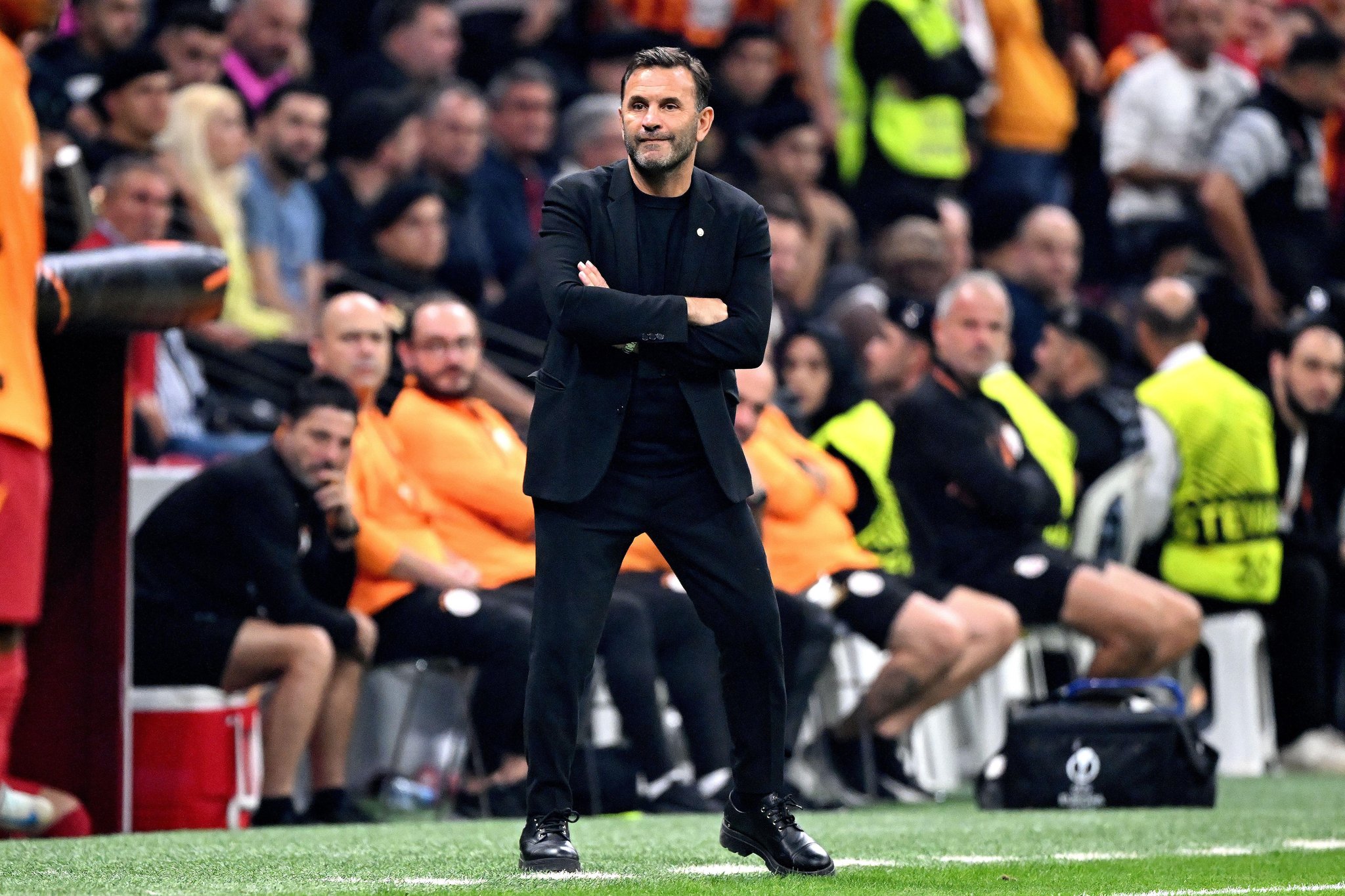


1️⃣ Match Context
European nights in Istanbul are rarely “just another fixture”, but this one lands with a specific kind of weight. Galatasaray aren’t simply chasing a result — they’re trying to impose their identity on a tie where the margin between bold and naïve is razor-thin. Liverpool arrive with a different pressure: expectation. In the Champions League, being the bigger brand doesn’t buy you time on the ball, and it certainly doesn’t protect you from a chaotic first 20 minutes at Rams Park.
Context matters because it shapes decision-making. Galatasaray’s crowd and tempo bias typically push games toward higher-variance states: early crosses, early shots, emotional pressing waves. Liverpool’s European profile usually leans the other way — manage the game, squeeze territory, let chance quality win out over volume.
There’s also the calendar reality. March Champions League weeks often sit on top of domestic title races and cup commitments. Even when both teams rotate, the “energy budget” is real: late-game concentration dips, soft tissue management, and minute loads influence pressing intensity and transition defending. If this turns into a second-half track meet, it will be less about talent and more about legs and structure.
2️⃣ Form & Advanced Metrics
Galatasaray’s recent profile is usually built on territorial insistence at home: they can win the touchline battle, keep the ball in the opponent’s half, and generate shot volume through sustained pressure. The numbers indicate a side that is comfortable taking many attempts — but the key question is shot quality. When their attacks become wing-heavy and cross-reliant, xG can lag behind raw shot counts. That creates a familiar pattern: they look dominant, but the scoreboard remains fragile until they land the first goal.
Defensively, the stress point is what happens after they lose the ball. Galatasaray can press in bursts, but if the first wave is bypassed, their rest-defense spacing can open central lanes. This is where xGA tends to spike: not through constant concession, but through a handful of high-value transition moments. Volatility, not permanent weakness.
Liverpool’s underlying shape is typically the opposite: fewer “empty” shots, more shots from premium zones. Their chance creation is often driven by box entries and cutbacks rather than hopeful deliveries. In possession, they tilt the field — not necessarily by endless passing, but by repeatedly resetting attacks and pinning opponents with counter-press positioning. Pressing metrics like PPDA (passes allowed per defensive action) generally reflect Liverpool’s willingness to engage high: a lower PPDA means they press earlier and more aggressively, forcing rushed clearances and second-ball wins.
If we look deeper, Liverpool’s risk isn’t whether they can create — it’s whether their defensive line and midfield spacing allow the “one big chance” in an otherwise controlled game. Against teams that sprint into the channels, Liverpool can concede high-quality looks despite controlling territory. That’s how you get matches where the eye says “Liverpool on top” but the xG story is closer than expected.
3️⃣ League Table Snapshot
| Team | Position | Points | GF | GA | Form (Last 5) |
|---|---|---|---|---|---|
| Galatasaray | — | — | — | — | — |
| Liverpool | — | — | — | — | — |
Analytical takeaway: without confirmed table data in this preview feed, the key point is structural rather than numerical: Liverpool typically live in environments where “not winning” is treated as underperformance, while Galatasaray can frame this as an opportunity game. That difference often shows in approach — Liverpool value control, Galatasaray value momentum. When those philosophies collide, the first goal becomes disproportionately important.
4️⃣ Head-to-Head Analysis
Head-to-head in Europe is rarely about repeating scorelines — it’s about repeating problems. The recurring pattern when English pressing sides go to Istanbul is that the game can become emotionally accelerated. Galatasaray often try to force early turnovers with crowd-fuelled pressure, while the visitor’s first 15 minutes are a test of build-up resistance: can they play through, win second balls, and quiet the stadium?
When Liverpool face teams that defend with intensity but leave space behind the first line, the matchup typically favours Liverpool’s vertical efficiency. The tactical question is whether Galatasaray can press without opening the exact lanes Liverpool want: half-spaces into the box and cutback zones.
5️⃣ Tactical Breakdown (Core Section)
Who dictates tempo?
Galatasaray will try to dictate tempo emotionally — fast restarts, aggressive duels, quick switches to the wings. Liverpool will try to dictate tempo structurally — longer spells in the opponent half, slower re-circulation, and controlled counter-pressing to prevent transitions. The clash is simple: tempo by adrenaline vs tempo by field position.
The overload zone
Galatasaray’s most reliable home mechanism is creating wide overloads and forcing the opponent fullback to choose: step out to the winger or protect the inside channel. If Liverpool’s wide defender steps, the inside run appears. If he holds, Galatasaray get delivery volume.
Liverpool’s overload tends to appear between the lines — drawing a midfielder out and then attacking the space he vacates. Against teams that jump to press, Liverpool can create 3v2s in midfield, then break into the final third before the defensive block resets.
Pressing triggers and build-up resistance
Galatasaray’s pressing is often most dangerous when it’s coordinated around a clear trigger: a backpass to the goalkeeper, a heavy touch near the sideline, or a square ball across the first line. The risk is sustainability. If they press too hard, too early, the second phase becomes vulnerable — especially if Liverpool can bounce the ball into midfield and immediately attack depth.
Liverpool’s counter-press is the more repeatable weapon. Even if the first attack doesn’t land, they often win the ball back in seconds, which keeps the opponent pinned and gradually reduces their transition opportunities. If Galatasaray can’t secure first contacts and second balls, they can spend long stretches defending their own box — not from endless shots, but from repeated entries and cutbacks.
Transition vulnerability
This is where the match can flip. Galatasaray’s best moments will likely come when Liverpool commit numbers forward and the first pass out breaks the counter-press. Attacking the space outside Liverpool’s centre-backs — the channel runs — can generate high xG chances even if Galatasaray don’t create much else.
For Liverpool, the transition threat is more “quiet” but brutal: win the ball, attack the open fullback zones, and arrive in the box with a numbers advantage. If Galatasaray fullbacks push high and lose duels, Liverpool can turn one regain into a big chance without needing extended possession.
Set-piece dynamics
In matches with high emotional temperature, set-pieces are often the market’s blind spot. Galatasaray can create corners through crossing volume even when open-play chance quality is mediocre. Liverpool, meanwhile, are generally well-drilled on dead balls, but away ties can still swing on one second-ball scramble. If the game feels “stuck”, set-pieces become the lever.
6️⃣ Odds & Market Evaluation
| Market | Selection | Odds | Implied Probability |
|---|---|---|---|
| 1X2 | Galatasaray | — | — |
| 1X2 | Draw | — | — |
| 1X2 | Liverpool | — | — |
Live pricing isn’t included in the brief, so we evaluate the market conceptually. According to our calculations, the true Liverpool win probability sits meaningfully above a coin-flip but below the level where you’d blindly accept short away odds in Istanbul. The draw is often undervalued in these “control vs chaos” ties, because Liverpool’s control reduces Galatasaray’s shot volume, but Galatasaray’s transition threat can prevent Liverpool from fully committing.
The betlabel.games team evaluates this matchup as one where the smartest angle is often on derivatives (Asian lines, double chance, or totals) rather than the pure 1X2 headline.
7️⃣ The Hidden Edge (Mandatory Section)
There’s a structural nuance here that markets are slow to price: Galatasaray’s home “dominance” can be shot-volume inflation. In big European nights, they can rack up attempts from wide angles and second phases — visually impressive, statistically noisy. That can pull casual pricing toward “Galatasaray will score” narratives even when the underlying shot quality is modest.
On the other side, Liverpool’s away control can be misread when it doesn’t immediately produce goals. They can post long spells of territory control and still be level at 60’ because the final ball variance didn’t break. That’s where the value can appear on Liverpool-side protections (Draw No Bet / Asian -0.25) rather than demanding a clean away win.
Also watch the second-half shape. If Galatasaray’s press intensity drops — common when the first wave doesn’t produce reward — the match opens into Liverpool’s preferred pattern: recycle, re-enter, cutback. That late-game dynamic is often underpriced in pre-match narratives focused on the opening storm.
8️⃣ Final Prediction
Main Pick: Liverpool Draw No Bet
Alternative: Under 3.25 Goals (Asian Total)
Risk Level: Medium
The logic is straightforward:
1) Liverpool’s chance quality edge travels. Even if Galatasaray win territory early, Liverpool’s attacks tend to end closer to goal with cleaner shot profiles.
2) The DNB protects against Istanbul variance. Crowd-driven momentum and transition moments can turn a “Liverpool control” game into a draw without meaning Liverpool were second-best.
3) Totals value comes from game-state tension. If Liverpool get control, they slow the match. If Galatasaray lead, Liverpool become more direct — but the tie context still often delays full chaos until late.
No guarantees — but probability logic says Liverpool protection is the sharper way to express the matchup than chasing a pure away win.






Leave a Reply