

1️⃣ Match Context
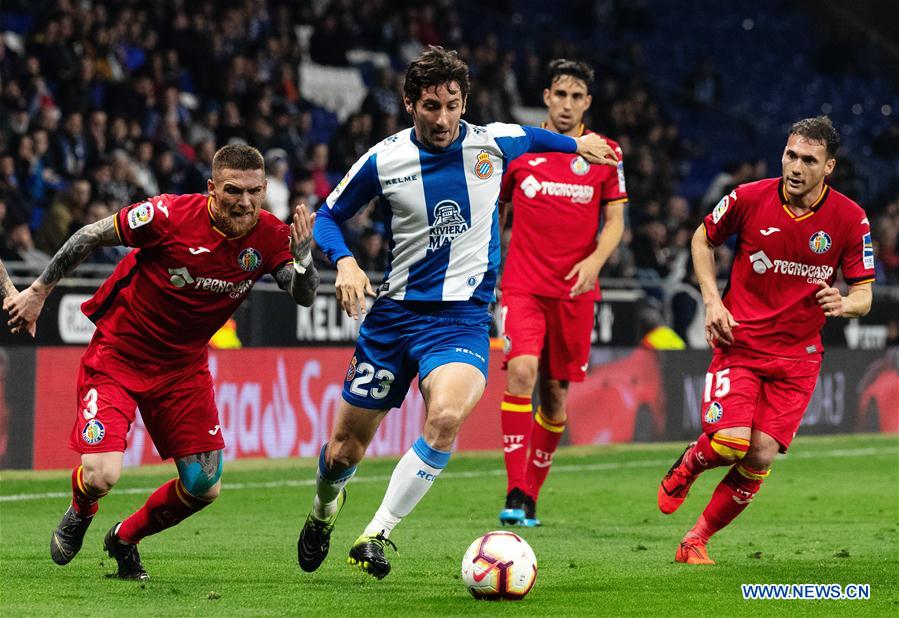
Late-March league fixtures rarely look dramatic on paper, but this one is built for tension. Espanyol and Getafe live in the same ecosystem of La Liga: games decided by territory management, emotional control, and who blinks first after 70 minutes.
For Espanyol, the home angle matters. They’re typically at their best when the game is forced into structured phases: long spells of possession without necessarily accelerating, then a sharp burst into the box. The pressure is subtle but real—home fixtures against direct rivals are where the table gets shaped. Not by glamour wins, but by avoiding the kind of defeat that drags you into a multi-week spiral.
Getafe arrive with their usual edge: comfortable in ugly game states, happy to keep the match low-event, and mentally prepared for a contest that becomes more about duels and second balls than combinations. The psychological burden here sits on Espanyol. They’re expected to “play” and create. Getafe are expected to resist.
Factor in the calendar as well. This part of the season often brings micro-fatigue—repeated high-intensity defensive actions, knocks that don’t heal, and squads rotating without fully resetting cohesion. In matchups like this, the team that sustains concentration on set pieces and defensive transitions typically wins the margins.
2️⃣ Form & Advanced Metrics
Espanyol’s recent profile tends to look better in process than in scorelines. If we look deeper, they usually create a respectable amount of expected goals through sustained territory and repeated entries rather than pure shot volume. That matters. Teams that rely on “many low-quality shots” can flatter themselves. Espanyol’s better spells are built on getting the ball into usable zones—cutbacks, second-phase crosses, and central touches around the penalty spot.
The warning sign is at the other end. Their defensive stability can be punctured by two things: losing the ball in midfield when their fullbacks are advanced, and allowing opponents to attack the space just outside the box before the block is fully set. This is where volatility enters. You can dominate for 15 minutes, then concede one clean look because the rest-defense wasn’t aligned.
Getafe’s numbers tend to tell a different story. Their xG for often doesn’t sparkle because they don’t chase volume; they chase moments. Their shot quality frequently spikes in transition sequences and set-piece aftermaths—exactly the phases that frustrate teams like Espanyol. Defensively, they usually allow shots, but they work hard to keep those shots from prime central zones. That distinction is key: conceding attempts is one thing; conceding uncontested attempts from the penalty spot is another.
Pressing intensity is another separator. Getafe rarely press in the romantic, high-line sense; they press in triggers. A sideways pass into a fullback, a heavy first touch, a back-to-goal midfielder—then they jump. In PPDA terms, that translates to a team that can look passive until the moment it isn’t. Espanyol, meanwhile, are more likely to use a mid-block and focus on keeping compact distances, which is effective—until the opponent turns the game into repeated aerial and second-ball sequences.
Tempo-wise, this matchup usually trends low-pace. That doesn’t mean “boring”; it means the game is decided by precision and patience. Fewer transitions. Fewer open-field sprints. More structured attacks and more set pieces. That generally compresses variance and pulls the match toward tight scorelines.
3️⃣ League Table Snapshot
| Team | Position | Points | GF | GA | Goal Diff |
|---|---|---|---|---|---|
| Espanyol | 14th | 32 | 29 | 35 | -6 |
| Getafe | 11th | 36 | 30 | 33 | -3 |
Takeaway: this is classic mid-table separation football. Getafe’s position usually reflects consistency in low-event games—fewer collapses, fewer chaotic losses. Espanyol’s placement tends to reflect variance: decent phases of play, but a higher frequency of matches where one mistake flips the whole outcome.
4️⃣ Head-to-Head Analysis
The story of this pairing is rarely about “who is better” and more about “who gets their preferred game.” When Espanyol can keep Getafe pinned and recycle attacks, Getafe’s clearances become invitations for second waves. But when Getafe break that rhythm—through fouls, set pieces, and repeated duels—Espanyol’s possession can become sterile.
There’s also a psychological rhythm that repeats in these meetings. Getafe are comfortable being the villain. Espanyol can become impatient when dominance doesn’t immediately turn into chances. That impatience often shows up as rushed crosses and riskier central passes—exactly what Getafe want to intercept and counter from.
Past results between these teams often align with that structural pattern rather than finishing luck. The side that wins the midfield collision and the penalty-area second balls usually dictates the scoreboard.
5️⃣ Tactical Breakdown (Core Section)
Who dictates tempo?
Espanyol will try to set a controlled tempo through longer possession spells, using width to stretch the block and then looking for a lane inside. Getafe will try to break tempo—stopping sequences with contact, compressing space around the ball, and forcing play into predictable wide zones.
This becomes a “two-tempo” match: Espanyol circulate; Getafe disrupt. The team that imposes their rhythm for longer stretches usually wins the expected-goals battle, even if the final score stays tight.
Overload zones and where the game tilts
Espanyol’s most productive territory typically comes from wide progression into cutback areas rather than constant central penetration. Expect them to push their fullbacks and wingers high, trying to create 2v1s on the flank and then target the space between Getafe’s center-backs and holding midfielders.
Getafe’s structural answer is simple: deny the central lane, accept some crosses, and attack the second ball. If Espanyol’s crossing is rushed, Getafe’s box defense becomes stronger with every repetition.
Midfield control: the real match
Espanyol need their midfield to be clean under pressure. Getafe don’t need to win the ball high constantly; they just need to force one or two “bad” passes that turn into transitions. If Espanyol’s first receiver in midfield gets pinned and forced backwards, their attacks will start again—and again—and the crowd energy can shift from support to anxiety.
Getafe, on the other hand, will be fine with low possession numbers if their midfield can win duels and keep the ball long enough to earn territory, fouls, and set pieces. Their possession is often functional, not aesthetic.
Pressing triggers and buildup resistance
Getafe’s pressing is most dangerous when Espanyol play into a fullback under pressure or attempt a vertical pass into a marked interior. That’s where they spring traps and force hurried clearances. Espanyol’s best counter is to vary their buildup—occasional direct balls behind the line, or quick switches to escape the trap before it forms.
Transition vulnerability
This is the match’s biggest swing factor. Espanyol’s attacking structure can leave space behind their wide players, and Getafe’s transition game is built to exploit exactly that corridor. If Espanyol commit numbers forward without a stable rest-defense, Getafe will get 2–3 high-leverage breaks even in a game they “don’t control.”
So the question isn’t whether Getafe will create chances—it’s whether those chances come from structured play (lower quality) or from transition moments (higher quality).
Set pieces
Expect a high set-piece count. Getafe generate value from corners and wide free-kicks not just through first contacts, but through chaos: second headers, knocked-down balls, and shots from the edge. Espanyol must treat defensive set pieces as a primary phase, not a side note. In fixtures like this, one dead-ball lapse can represent half the match’s total xG.
6️⃣ Odds & Market Evaluation
| Market | Odds | Implied Probability |
|---|---|---|
| Espanyol win | 2.55 | 39.2% |
| Draw | 3.00 | 33.3% |
| Getafe win | 3.20 | 31.3% |
The raw implied probabilities sum above 100% due to bookmaker margin, but the message is clear: the market sees Espanyol as a narrow home favorite, with the draw priced as a major outcome—appropriate for a low-tempo matchup.
The betlabel.games team evaluates this closer to a true coin-flip than the headline prices suggest, mainly because Getafe’s game model travels well. According to our calculations, the home advantage is real but not overwhelming, and the draw probability remains elevated because both teams naturally compress match event volume.
Value assessment: any edge here is likely marginal rather than explosive. The cleaner angles sit in handicap and totals, not in chasing a big 1X2 opinion.
7️⃣ The Hidden Edge (Mandatory Section)
There’s a structural nuance here that markets often underweight: how Getafe control matches without controlling the ball. In many price models, possession and territory are implicitly rewarded. But Getafe’s defensive design is built to concede “safe” territory—wide zones, deeper crossing positions—and then spike the opponent’s frustration level until shot quality drops.
That dynamic creates an important betting implication: Espanyol can “look” on top for long stretches while still being one transition away from conceding the best chance of the game. If recent Espanyol scorelines show narrow wins or respectable draws, the market can overprice that as stability. But if those results were driven by low conversion against and a few timely finishes, regression risk creeps in.
On the other side, Getafe can look flat in attacking numbers and still be structurally dangerous because their best chances often come from rare but high-leverage sequences—counterattacks and set-piece chaos. Those are hard to see in surface form, but they decide these fixtures.
Bottom line: this matchup is built to punish impatient favorites. If Espanyol can’t turn territory into clean cutbacks, the game drifts toward Getafe’s comfort zone.
8️⃣ Final Prediction
Main Pick: Getafe +0.5 (Double Chance: Draw or Getafe)
Alternative: Under 2.25 Goals (Asian total)
Risk Level: Medium
Why this makes sense:
1) Game-state compression. Both teams naturally produce lower-pace, lower-transition matches, which inflates draw equity and makes +0.5 valuable.
2) Shot-quality dynamics favor the dog. Espanyol’s territory can become low-quality crossing volume, while Getafe’s best looks tend to come from transitions and set pieces—fewer chances, but sharper ones.
3) Psychological and tactical fit. Espanyol carry the obligation to create; Getafe carry the comfort of disruption. In these matchups, the team without the burden often looks better by minute 75.
No guarantees—one early goal can flip the texture. But on balance, the probabilities lean toward a tight game where Getafe’s structure keeps them live throughout.



Leave a Reply