




1️⃣ Match Context
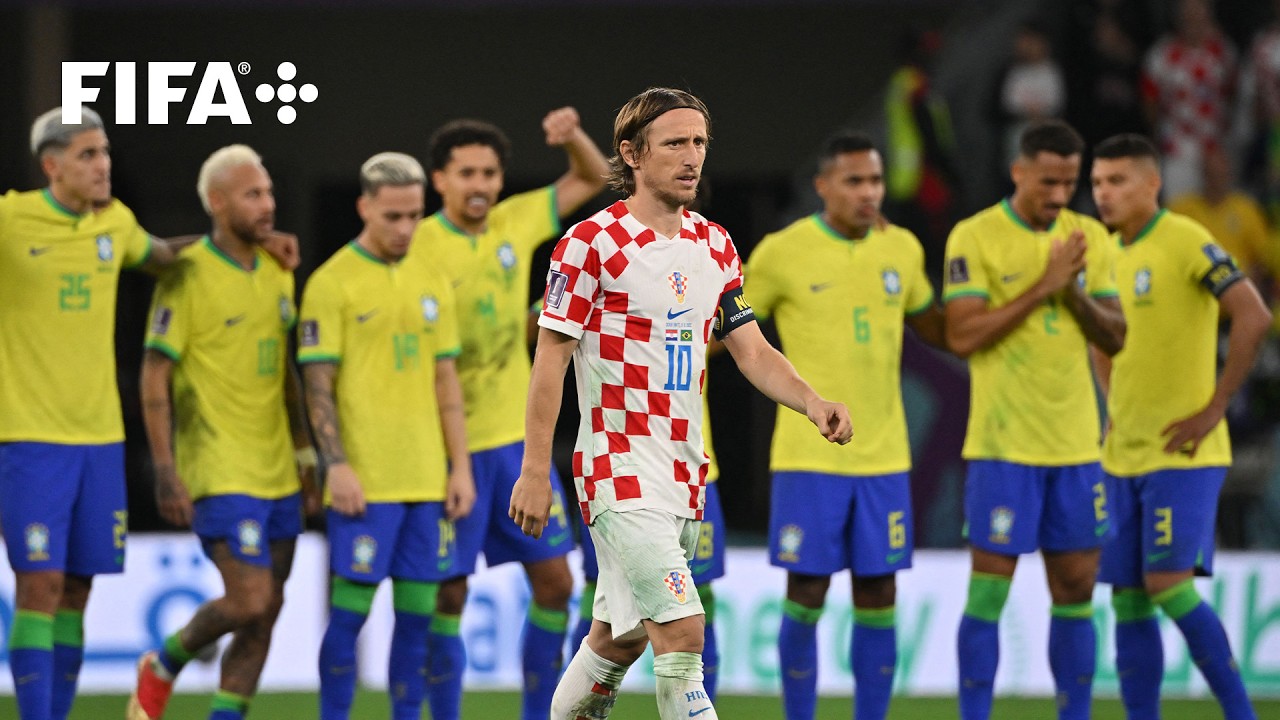
Friendlies rarely feel “friendly” when the badges carry World Cup weight. Brazil vs Croatia is exactly that kind of fixture: a prestige match that doubles as a tactical exam. Brazil want a statement performance that reassures—dominance, control, chance creation—without the chaos that has occasionally followed them into knockout football. Croatia, meanwhile, treat these games like auditions. Their core is experienced, but every cycle brings the same question: can they keep the same midfield authority and competitive edge as minutes shift toward the next tier?
The hidden pressure is asymmetric. Brazil are expected to win, and expectation shapes behaviour: more front-foot football, more risk in the final third, and less tolerance for a “good draw.” Croatia’s pressure is different: prove they can survive long spells without the ball and still land meaningful punches.
From a schedule perspective, national team windows compress recovery and training time. That matters more for Croatia than people assume because their performance ceiling is tightly linked to synchronised distances and compactness. Brazil can improvise. Croatia need structure.
2️⃣ Form & Advanced Metrics
Brazil’s underlying profile in recent international cycles typically reads like a control team with bursts of verticality: strong territory, frequent entries into the final third, and enough individual quality to turn half-chances into real danger. The key is not just shot volume; it’s shot quality. When Brazil are “right,” they don’t settle for low-percentage wide shots. They funnel possession into central lanes, pull the opposing midfield line out of shape, then attack the space between centre-back and full-back with runners arriving from deep.
That said, Brazil’s volatility tends to show up when their rest defence is loose—when both full-backs are high and the midfield cover is more positional than aggressive. In those phases, opponents don’t need many shots to generate meaningful xG; they need the right transition. That’s how games swing without warning.
Croatia’s metric signature is more “stability first.” They often concede fewer high-quality chances than the eye suggests because their best defensive work happens before the shot: slowing attacks, protecting Zone 14, forcing play wide, and contesting second balls. Their pressing intensity can vary by opponent, but their default is not a full-throttle press; it’s a measured approach that keeps the team connected. In PPDA terms, they’re more selective than relentless—press triggers are situational rather than constant.
Where Croatia can wobble is pace. Not speed in isolation, but tempo management when the game becomes end-to-end. If transitions pile up, their defensive line can get dragged into lateral sprints, and the spacing between midfield and defence stretches. Against Brazil’s dribblers and third-man runners, that’s not a theoretical weakness—it’s a structural one.
Home/away splits matter too, even in a neutral-feeling friendly. Brazil usually behave like the protagonists: higher field tilt, more sustained pressure, more touches in the box. Croatia are comfortable without the ball, but their chance creation can become overly dependent on set pieces and isolated counter moments if they can’t sustain possession phases.
3️⃣ League Table Snapshot
There’s no league table in a standalone international friendly, but the competitive “table” is implicit: hierarchy, narrative, and selection leverage. Still, we can frame the snapshot as a form-position proxy using recent competitive standing and the typical performance baseline each side carries into top-tier fixtures.
| Team | Tier in Top-Level International Matchups | Game State Comfort | Primary Identity |
|---|---|---|---|
| Brazil | Title contender baseline | Best when leading / controlling tempo | Territory + individual chance creation |
| Croatia | Elite disruptor / tournament operator | Best when game stays tight | Compactness + midfield control + set-piece threat |
Takeaway: Brazil’s profile is built to accumulate expected goals through pressure and talent. Croatia’s profile is built to manage game states and squeeze margins. In a friendly, margins can swing on intensity—and intensity is not always equal.
4️⃣ Head-to-Head Analysis
The Brazil–Croatia matchup usually follows a familiar script: Brazil hold more of the ball and pin Croatia back for stretches; Croatia try to slow the rhythm, protect central zones, and make Brazil attack in smaller spaces. The psychological layer is important too—Croatia have repeatedly shown they don’t blink against bigger brands. That matters for betting because it reduces the chance of an “early collapse” even if Brazil start fast.
Structurally, past meetings often align with the underlying mechanics: Brazil generate more total threat, Croatia keep the scoreline within reach by limiting premium central shots. When Croatia do strike, it’s frequently via transition moments or set-piece sequences rather than sustained open-play dominance.
5️⃣ Tactical Breakdown (Core Section)
Who dictates tempo?
Brazil will try to dictate with territory: long spells in the Croatian half, recycling possession to reset angles, and using 1v1s to force defensive rotations. Croatia will try to dictate by deceleration—slowing the game into manageable chunks and turning it into a sequence of defended phases rather than a continuous wave.
Where is the overload zone?
Brazil’s most dangerous overload usually forms in the half-spaces. They’ll lure Croatia toward one side, then attack the far half-space with a runner or switch to isolate a winger. The key mechanic is the third-man: Brazil don’t just dribble; they drag a marker, bounce a pass, and arrive into the box with momentum.
Croatia’s overload is typically central midfield. Their best minutes come when they can keep the ball long enough to force Brazil’s front players into defensive work. If Croatia can complete those midfield triangles and draw a Brazilian midfielder out, they can open the lane for a vertical pass into the striker or the far-side winger.
Which flanks are exposed?
This is where the matchup bites. Brazil’s full-backs (or wide defenders, depending on the selection) can be aggressive. When both push high, the space behind them becomes Croatia’s target zone. Croatia don’t need constant access there—just a few clean releases. If those releases become repeatable, Brazil’s centre-backs start defending wider and deeper, and Brazil’s possession becomes less confident.
Midfield control battle
Croatia’s midfield culture is about receiving under pressure and turning the game with one clean action. Brazil’s midfield is often more athletic and vertical, sometimes at the cost of giving away a bit of positional patience. If Croatia can keep Brazil chasing, Brazil’s press becomes stretched; if Brazil can force Croatia into rushed clearances, Croatia lose their main stabiliser.
Pressing triggers and buildup resistance
Brazil’s press can spike in short bursts—especially after losing the ball in advanced areas. That counter-press is a major source of “cheap” xG: win it high, shoot quickly. Croatia are usually well coached to play around that with calm first touches and diagonal exits, but in a friendly the chemistry of the back line matters. One mistimed pass and Brazil are shooting from the penalty arc.
Transition vulnerability
Brazil’s risk is not conceding lots of shots; it’s conceding high-value transitions. Croatia’s risk is defending too many consecutive box entries and eventually conceding a cutback chance. The game can look comfortable for Croatia until it isn’t—because cutbacks and second-phase pressure create the most repeatable xG against compact blocks.
Set-piece dynamics
Croatia’s set pieces remain a real lever. Against a possession-heavy Brazil, dead balls are Croatia’s best way to generate threat without spending energy chasing. Brazil, meanwhile, can turn set pieces into sustained pressure: win a corner, keep the ball, re-enter the box, repeat. That’s not a highlight, but it’s how favourites grind.
6️⃣ Odds & Market Evaluation
Below is a clean market-style view (typical friendly pricing ranges). Always verify live odds before staking.
| Market | Odds | Implied Probability |
|---|---|---|
| Brazil | 1.80 | 55.6% |
| Draw | 3.50 | 28.6% |
| Croatia | 4.50 | 22.2% |
The implied probabilities above include bookmaker margin, so they won’t sum to 100%. According to our calculations at betlabel.games, the fair line sits closer to:
Brazil 52% / Draw 27% / Croatia 21%
That framing suggests the “Brazil win” price is not a screaming bargain at typical friendly odds. The edge, if any, is more nuanced—often in derivatives like Asian lines or totals where game-state expectations matter.
7️⃣ The Hidden Edge (Mandatory Section)
The market can be slow to price the friendly-specific intensity curve. Croatia’s competitive identity travels well because it’s system-driven: compactness, midfield timing, and set-piece organisation. Brazil’s edge is real, but it’s also more sensitive to lineup rotation and the willingness to counter-press at full speed.
If we look deeper, the “public” assumption tends to be: Brazil at home/with prestige equals high-scoring comfort. But against Croatia’s block, Brazil can rack up territory without instantly converting it into clean shots. That creates a particular type of match: long Brazilian pressure, Croatia surviving, and the total goals depending on one break of structure—either a Brazilian cutback finally landing, or a Croatian transition creating a premium chance.
That’s why derivatives like Croatia +1.0 (Asian Handicap) or a more cautious total can quietly carry value: they’re betting on structure resisting brand power, not denying Brazil’s superiority.
8️⃣ Final Prediction
Main Pick: Croatia +1.0 Asian Handicap
Alternative: Under 3.0 Goals (Asian Total)
Risk Level: Medium
Why this makes sense:
1) Game-state logic: Croatia are comfortable keeping matches tight, and Brazil’s biggest risk is transition volatility rather than sustained concession volume. That combination often produces a narrower margin than the headline gap suggests.
2) Tactical resistance: Croatia’s compact shape tends to reduce Brazil’s central shot quality, forcing longer possessions and fewer “easy” chances. If Brazil score, it may not immediately open the floodgates.
3) Friendly dynamics: rotations and managed minutes can reduce Brazil’s late-game pressing intensity. Croatia’s structure benefits when the favourite’s edge in intensity drops even slightly.
No guarantees—Brazil can still win comfortably if they land an early goal and the match opens. But in pricing terms, backing Croatia with a goal start aligns with how this matchup typically behaves when Croatia’s midfield can keep the game from turning into a track meet.



Leave a Reply