
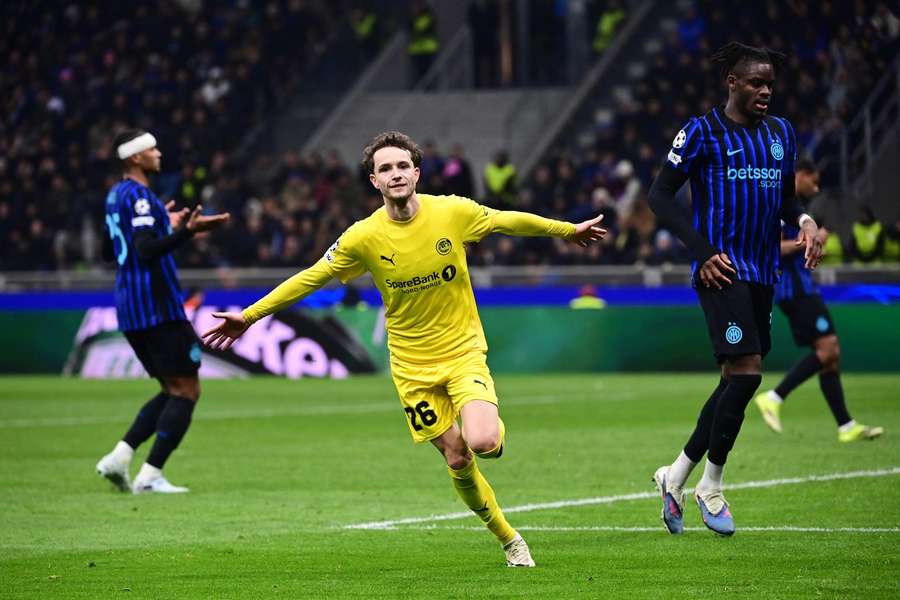


1️⃣ Match Context
This is the kind of Champions League night where context does more work than reputation. Bodø/Glimt aren’t just “a tough trip north” anymore — they’re a system team with a defined identity, and at home they can turn elite opponents into reactive sides. Sporting Clube de Portugal arrive with the heavier label, the deeper squad, and the expectation burden that comes with it. That combination creates a familiar dynamic: if the game stays level into the second half, pressure doesn’t sit equally.
Sporting’s psychological task is to avoid the narrative trap. In matches like this, the bigger club often starts conservatively “to manage the game”, then finds themselves managing chaos instead. Bodø/Glimt, meanwhile, have clarity: play fast, tilt the pitch, and make the opponent defend laterally for long stretches. There’s also the schedule reality. Portuguese sides in Europe often rotate around domestic priorities; Glimt’s domestic rhythm is different, and they are typically sharper in intensity at home than visitors anticipate — not because of weather clichés, but because the tempo and spacing demands of their structure are relentless.
In short: Sporting have more ways to win on paper, but Bodø/Glimt have a very specific way to make this match uncomfortable. That’s why this matters for bettors. Market prices tend to respect “brand strength” early, and only adjust once the match script becomes obvious — sometimes too late.
2️⃣ Form & Advanced Metrics
Bodø/Glimt’s recent profile is built on territorial control rather than pure shot spam. They’re at their best when they can lock the opponent into long defending sequences: high field tilt, high touch volume in the final third, and a steady stream of cutback zones rather than hopeful crossing. The numbers indicate their chance creation is generally sustainable because it’s chance type-led — more shots from inside the box and fewer low-probability launches.
The volatility comes on the other side. Glimt can concede chances that feel “sudden”: one broken counterpress, one mistimed step from a fullback, and the opponent is running at a back line that’s spread. Their xGA pattern tends to be less about constant leakage and more about allowing opponents into high-value central lanes when the first defensive action fails. That’s why their matches can swing quickly even when they dominate territory.
Sporting’s metric story is different. They’re usually comfortable in both phases: solid shot quality for, and an ability to keep opponents shooting from poor areas. Their press isn’t always the most frantic, but it’s intelligent — they use triggers to force play wide, then compress the half-space to win second balls. PPDA-wise, Sporting often sit in that “controlled aggression” band: not reckless, but active enough to disrupt rhythm. Away in Europe, though, Sporting can show a tempo split: first halves played with caution, second halves with more verticality once they read the opponent’s buildup habits.
If we look deeper, the key is how each team’s strengths translate. Glimt want volume through territory; Sporting want quality through structure. When those collide, the match can become a battle of efficiency rather than dominance.
3️⃣ League Table Snapshot
| Team | League Position | Points | Goal Difference |
|---|---|---|---|
| Bodo-Glimt | — | — | — |
| Sporting Clube de Portugal | — | — | — |
Takeaway: We’re not using domestic table position as a shortcut here because it’s a misleading comparator across leagues. What matters more is identity stability. Bodø/Glimt’s week-to-week mechanics tend to be consistent; Sporting’s ceiling is higher, but their European away games can hinge on game-state management.
4️⃣ Head-to-Head Analysis
Head-to-head history isn’t the foundation of this preview — not because it’s irrelevant, but because stylistic matchups matter more than old scorelines. The meaningful question is whether Sporting have previously shown comfort against high-tempo positional teams who counterpress immediately after loss. And whether Glimt have previously handled opponents who can play through pressure without forcing it.
Structurally, this matchup tends to produce a repeating pattern: Glimt push their fullbacks high and ask their wingers to pin; Sporting look for the first pass that breaks the press and turns the game into an open-field sprint. When that pattern repeats, outcomes are less about “who has the ball” and more about who wins the first two transitions.
5️⃣ Tactical Breakdown (Core Section)
Tempo: who gets their kind of game?
Bodø/Glimt will try to dictate tempo through constant circulation and quick third-man combinations. Their best moments come when the opponent’s midfield line gets stretched horizontally — one extra step toward the ball, and the far-side half-space opens. Sporting’s priority should be to keep the center compact and invite play into zones where the first duel can be won cleanly.
Sporting are more likely to accept phases without the ball, but only if they can keep the game in front of them. If they get pinned and forced into repeated deep clearances, they’re basically donating the match to Glimt’s favorite cycle: regain, reset, attack again.
Overload zones: the half-spaces decide it
Glimt’s attacking value often lives in the half-spaces just outside the box — the corridor where cutbacks and slips behind the fullback happen. Sporting’s defensive structure usually protects that zone well, but there’s a structural nuance here: if Sporting’s wingbacks (or fullbacks) step out too aggressively to meet Glimt’s wide buildup, they can expose the channel behind them. Glimt love that pocket: the diagonal run, the low cross, the late arriving midfielder.
Sporting’s counter is simple and dangerous: invite the high fullbacks forward, then break into the space they leave. The first pass matters. If Sporting can connect the first vertical ball cleanly, Glimt’s defensive line gets stretched in a way that produces high-quality chances quickly.
Midfield control: duels, not possession
This won’t be won by passing accuracy. It’s a duel game: who secures second balls after pressure, who wins the rebound after blocked crosses, who controls the “messy” moments. Bodø/Glimt are typically strong here at home because their counterpress is immediate and coordinated. Sporting can disrupt that by varying buildup — sometimes short to bait pressure, sometimes direct into the striker channel to bypass the trap.
Pressing triggers & buildup resistance
Expect Glimt to press off cues: back-pass to the keeper, a slow center-back touch, or a sideways pass into a marked pivot. They’ll try to force Sporting into the sideline and then collapse. Sporting’s best response is to avoid being predictable: rotate the pivot, use the goalkeeper as a genuine extra man, and switch play early before the trap is set. If Sporting get trapped repeatedly, the match tilts heavily toward Glimt’s volume game.
Transitions: the match’s true fault line
The most valuable chances here are likely to come in transition. Glimt’s rest defense can be aggressive; Sporting’s forward runners can punish any loose counterpress moment. If Glimt lose the ball with both fullbacks high and the near-side midfielder advanced, Sporting have a clear route: first pass into space, second pass into the box.
Set-pieces
Set-pieces are a quiet swing factor. In games where open-play chances come in bursts, dead-ball sequences can become the “extra” xG the favorite needs to avoid a tricky away draw. Sporting typically carry more aerial threat; Glimt need clean first contact and discipline on second balls. If Glimt concede cheap corners, the risk profile rises.
6️⃣ Odds & Market Evaluation
| Market | Odds | Implied Probability |
|---|---|---|
| Bodo-Glimt win | 3.20 | 31.3% |
| Draw | 3.40 | 29.4% |
| Sporting CP win | 2.20 | 45.5% |
The implied probabilities above sum beyond 100% because of bookmaker margin. According to our calculations at betlabel.games, the “fair” line is closer to a tight away-favorite rather than a commanding one: Sporting should be favored, but not to the point where a Glimt home win is treated as a longshot.
Market read: the current pricing slightly overweights Sporting’s brand edge and slightly underweights the specific away-game discomfort this venue and style can produce. That doesn’t automatically mean “bet Glimt”, but it does mean the value is more likely on Glimt + lines and goal-related markets than on a clean Sporting moneyline.
7️⃣ The Hidden Edge (Mandatory Section)
There’s a timing-based inefficiency the market often underprices with teams like Bodø/Glimt: second-half amplification. Their pressure and territory control tend to compound once the opponent’s wide defenders and midfield shuttlers start losing a half-step. It’s not just fitness — it’s cognitive fatigue. Repeated defensive shifting without the ball drains decision-making, and that’s when cutbacks become tap-ins instead of blocked shots.
For Sporting, the hidden risk is not that they can’t handle pressure — it’s that in away European games they can drift into a “protect the draw” posture too early. That’s when their transitions lose bite, the striker becomes isolated, and Glimt’s rest defense looks better than it actually is. The scoreline can look stable while the underlying territory is slipping.
If the market is slow to adjust to that pattern, the edge tends to show up live (second-half goal markets) and pre-match on handicap positions that benefit from a draw-heavy script.
8️⃣ Final Prediction
Main Pick: Bodo-Glimt +0.5 (Asian Handicap)
Alternative: Over 2.5 goals (or split stake: Over 2.75 if available)
Risk Level: Medium
Why this works (probability logic, not vibes):
- Style pressure: Glimt’s home territorial game forces Sporting into long defensive phases, which increases draw probability and late-match variance.
- Transition symmetry: Sporting will get counter chances, but Glimt will generate sustained box entries. That combination lifts goal expectancy and makes a one-goal Sporting win less “clean” than the market implies.
- Market positioning: Sporting’s moneyline price builds in control; this fixture profile is more about managing discomfort. The +0.5 captures the most common upset shape: a high-tempo draw or a narrow home win.
No guarantees — but the value is clearer on Glimt avoiding defeat than on picking a straight winner.





Leave a Reply