

Match Context
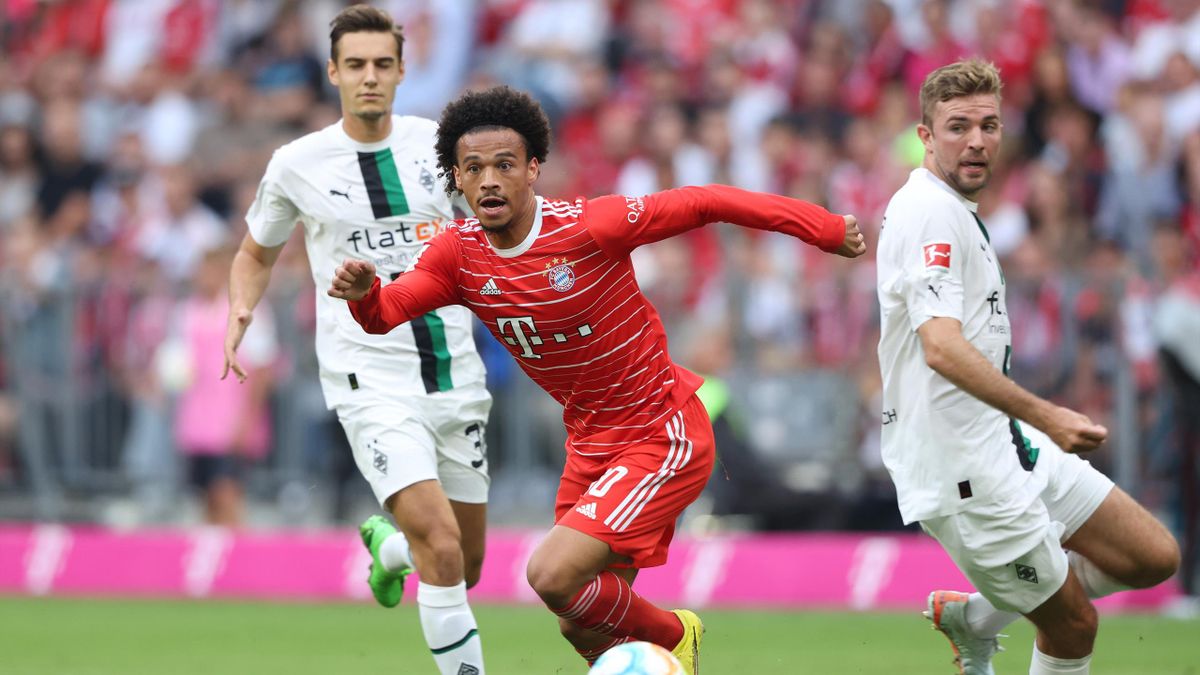
Bayern Munich return to the Allianz Arena carrying the weight of expectation and the momentum of another title charge. With just a handful of fixtures separating them from silverware, this is not a match where complacency is affordable. Borussia Mönchengladbach arrive as mid-table survivors, safe from relegation danger but too far adrift for European qualification. The psychological dynamics are clear: one side plays with purpose and precision, the other with freedom and occasional chaos.
Schedule congestion favors neither side cleanly. Bayern face another European fixture within days, while Gladbach enjoyed a longer rest period. That creates a narrow window of vulnerability—but only if the visitors can exploit it before Bayern’s superior quality dictates terms. The narrative heading into this fixture is straightforward: can Gladbach disrupt rhythm long enough to avoid being overwhelmed?
Form & Advanced Metrics
Bayern continue to generate elite-level attacking output, averaging around 2.4 expected goals per match domestically. Their shot quality remains among the highest in Europe, with a concentration of attempts from central zones inside the penalty area. Defensive solidity has improved marginally, though occasional lapses against counter-attacking sides persist. They allow opponents into transition moments more frequently than their possession dominance would suggest.
Gladbach operate in a different dimension entirely. They generate approximately 1.3 xG per match, relying heavily on transitional sequences rather than sustained buildup. Defensive metrics reveal structural fragility: they concede nearly 1.7 xG per game, often surrendering high-quality chances from wide overloads and second-phase set pieces. Their PPDA sits comfortably in the lower half of the league, reflecting a reactive rather than proactive defensive approach. That passivity becomes dangerous against sides who can circulate possession with purpose.
The key tension here is tempo control. Bayern dictate pace through possession cycles and positional rotations. Gladbach need disruption—turnovers in dangerous areas, quick vertical passes, minimal time for Bayern to set their defensive shape. If the game settles into a controlled rhythm, the outcome becomes inevitable.
League Table Snapshot
| Position | Team | Played | Won | Drawn | Lost | Points |
|---|---|---|---|---|---|---|
| 1 | Bayern Munich | 25 | 19 | 4 | 2 | 61 |
| 9 | Borussia M’gladbach | 25 | 10 | 6 | 9 | 36 |
These positions reflect consistency versus variance. Bayern’s numbers align closely with underlying metrics—no significant overperformance, just sustained excellence. Gladbach sit exactly where their process suggests: capable of occasional upsets, but fundamentally limited by structural imbalances and finishing inconsistency.
Head-to-Head Analysis
Recent encounters follow a predictable pattern. Bayern dominate possession, territory, and shot volume. Gladbach defend deep, concede territory willingly, and search for counter-opportunities. The scorelines often flatter the visitors slightly—Bayern’s xG in these fixtures typically exceeds actual goals, suggesting Gladbach’s goalkeeper and defensive compactness have occasionally held firm.
There’s no psychological edge for the visitors. No tactical blueprint that has repeatedly troubled Bayern’s buildup. The matchup dynamic remains structurally favorable for the home side, and nothing in the recent data suggests a meaningful shift.
Tactical Breakdown
Bayern will control the ball. That much is certain. The question is whether Gladbach can compress space effectively enough to prevent central penetration. Bayern’s attacking structure relies on inverted wingers, overlapping fullbacks, and a false nine dropping into pockets. Against a mid-block, they create overloads in half-spaces and exploit delayed defensive shifts.
Gladbach’s defensive shape will likely be a 4-4-2 mid-to-low block, prioritizing compactness over pressing intensity. The danger lies in wide areas: Bayern’s fullbacks push high, and if Gladbach’s wingers fail to track back diligently, numerical superiority becomes decisive. The visitors’ best chance involves winning second balls in midfield and releasing runners behind Bayern’s high defensive line. That requires precision in transition—something they achieve inconsistently.
Set pieces represent a secondary concern. Bayern concede occasionally from corners and wide free kicks, particularly when defensive assignments become unclear during zonal marking adjustments. Gladbach have scored from dead-ball situations at a reasonable rate this season, making this a potential value angle if the match remains tight.
The midfield battle will be one-sided. Bayern’s rotational movements and technical superiority should dominate central areas, limiting Gladbach’s ability to build through the middle. Expect long balls and direct switches rather than intricate combinations from the visitors.
Odds & Market Evaluation
| Market | Odds | Implied Probability |
|---|---|---|
| Bayern Win | 1.18 | 84.7% |
| Draw | 7.50 | 13.3% |
| Gladbach Win | 15.00 | 6.7% |
| Over 3.5 Goals | 1.75 | 57.1% |
| Bayern -1.5 AH | 1.62 | 61.7% |
The betlabel.games team evaluates Bayern’s win probability closer to 78%, suggesting the outright market offers minimal value. The spread and totals markets, however, present more nuanced opportunities. Bayern’s recent home fixtures have seen variance in margin—dominant performances interspersed with narrower wins when rotation disrupts rhythm.
The Over 3.5 line feels slightly mispriced. Bayern’s attacking output is elite, but Gladbach’s defensive structure, while flawed, can compress effectively for stretches. If Bayern rotate ahead of their midweek fixture, the pace may drop in the second half, reducing goal volume.
The Hidden Edge
There’s a structural nuance here that the market may be underweighting: Bayern’s second-half intensity often decreases when leading comfortably. Their substitution patterns prioritize squad management over goal accumulation, particularly with European fixtures looming. Gladbach, meanwhile, have conceded the majority of their xG in the opening 60 minutes, then tightened defensively late as opponents ease off.
This creates a scenario where Bayern could lead 2-0 at halftime, then manage the game rather than extend the margin. The Asian Handicap -1.5 line assumes continued pressure throughout 90 minutes—an assumption that recent Bayern performances don’t fully support when rotation and fatigue factors are considered.
Additionally, Gladbach’s set-piece threat is being overlooked. Bayern have conceded from dead balls in three of their last eight matches, a small but consistent vulnerability. If the visitors earn multiple corners and wide free kicks, there’s a narrow path to a consolation goal that keeps the margin tighter than expected.
Final Prediction
Main Pick: Bayern Munich -1.0 Asian Handicap @ 1.45
This offers a safety net if Bayern win by exactly one goal, returning half the stake. It accounts for rotation risk and second-half tempo management while still backing Bayern’s clear superiority.
Alternative: Under 4.5 Total Goals @ 1.50
If Bayern control the game early and rotate strategically, the final scoreline likely settles around 3-0 or 2-1. The market is pricing in high-volume scoring that may not materialize given tactical management.
Risk Level: Medium
Bayern’s quality gap is undeniable, but the margin of victory remains variable. Rotation ahead of European fixtures, defensive lapses from set pieces, and potential early goal satiation all introduce variance. The safest angle backs Bayern’s win while acknowledging that dominant performances don’t always translate into expansive scorelines. Gladbach lack the tools to win, but they possess just enough defensive organization to avoid a complete collapse—particularly if Bayern’s focus drifts toward midweek priorities.



Leave a Reply